

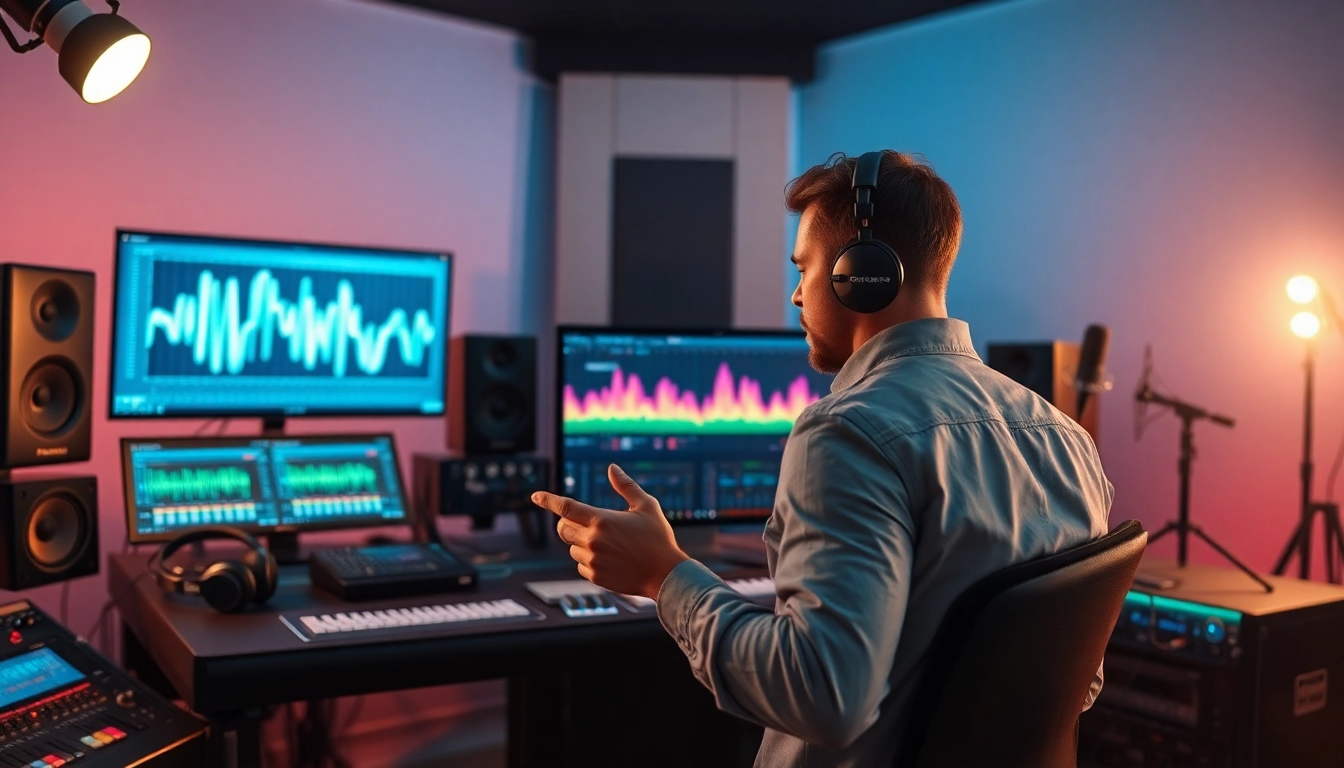
Understanding Online Audio Mastering
In the evolving landscape of music production, the art of online audio mastering has emerged as a cornerstone for musicians and producers alike. Mastering serves as the final touch in the production process, transforming a mixed track into a polished and commercially viable product. Understanding this art form is essential for anyone looking to navigate the music industry effectively.
What is Online Audio Mastering?
Online audio mastering is the final stage in the audio production process, where the mixed audio is enhanced, optimized, and prepared for distribution. This process involves adjusting the overall sound by manipulating various aspects such as dynamics, equalization, and stereo enhancement. With advancements in technology, mastering has become accessible through online platforms, allowing musicians to send their mixed tracks over the internet to professional mastering engineers or automated services.
The Importance of Mastering in Music Production
Mastering plays a crucial role in music production as it ensures that the track sounds consistent across various playback systems—be it speakers, headphones, or streaming services. The mastering process balances the EQ, maximizes loudness, and addresses any issues that may have been overlooked during mixing. A professionally mastered track can significantly increase its chances of success, as it tends to exhibit greater clarity, punch, and detail, which ultimately leads to better listener engagement and marketability.
Common Misconceptions About Online Audio Mastering
Despite its importance, many still hold misconceptions about online audio mastering. One common belief is that mastering can fix a poorly mixed track. While some enhancements can be made, mastering cannot compensate for fundamental issues in the mix. Additionally, there’s a notion that online services are less effective than local studios. However, skilled mastering engineers utilize sophisticated tools and experience to produce outstanding results, regardless of the medium through which they work.
Key Components of the Mastering Process
Analyzing the Mix: Preparing for Mastering
The first step in the mastering process involves a thorough analysis of the mix. A mastering engineer listens to the track multiple times to identify its strengths and weaknesses, noting areas where enhancements can be made. This stage ensures that the final master meets industry standards and maintains the artistic intent of the original track. Factors such as tonal balance, dynamics, and overall loudness are evaluated, forming the basis for decisions made during the mastering process.
Essential Tools and Software for Online Audio Mastering
In the age of digital technology, various tools and software have been developed to facilitate online audio mastering. Professional engineers often use digital audio workstations (DAWs) equipped with advanced plugins, including equalizers, compressors, limiters, and spatial processors. Popular tools like iZotope Ozone, Waves plugins, and Steinberg WaveLab provide a comprehensive suite for mastering engineers. Knowledge of these tools can significantly enhance the quality of the mastering process.
Critical Techniques Used in Online Audio Mastering
Several techniques are pivotal to achieving a polished master. Equalization (EQ) allows engineers to balance frequencies, ensuring that no particular voice or instrument overshadows others. Compression helps control dynamic range, maintaining a consistent volume throughout the track. Finally, limiting increases the loudness without causing distortion, preparing the track to stand out in competitive listening environments. Each technique requires a nuanced approach, tailored to the specific track and genre.
Selecting the Right Online Audio Mastering Service
What to Look for in an Online Mastering Service
Choosing the right online audio mastering service is crucial for achieving optimal results. Here are key factors to consider: the experience of the mastering engineer, the tools they use, and the reviews or testimonials from previous clients. It’s vital to explore the services’ customization options, as you want a service that can cater to your specific needs and preferences. Furthermore, consider whether the service offers sample mastering options to evaluate their style before committing.
Comparing Prices and Packages
Pricing for online mastering services can vary widely. While some may offer budget options, it’s essential to weigh the cost against quality. Generally, higher prices correlate with greater experience and refined techniques. Many services offer tiered packages catering to different needs; analyzing what each package includes can help in deciding the best fit for your project. Understanding the value behind the pricing will ensure that you are making an informed decision.
Reading Reviews and Gathering Recommendations
Before selecting an online mastering service, reading reviews can provide invaluable insights. Look for testimonials from artists within your genre to gauge how previous clients have fared. Additionally, gathering recommendations from fellow musicians or industry professionals can guide you toward reputable services that consistently deliver high-quality results. Don’t hesitate to ask questions regarding their approach and outcomes to ensure they align with your artistic vision.
Best Practices for a Successful Mastering Session
Creating a Reference Track for Mastering
One of the best practices before starting the mastering session is to create a reference track. This is a commercially released song that closely matches your desired sound. By having a reference track, you can provide your mastering engineer with a benchmark for tonal balance, loudness, and dynamics. This comparative approach helps instil a clearer vision of what you want your final track to achieve.
Communication with Your Mastering Engineer
Effective communication with your mastering engineer is vital to the success of the mastering process. Clearly conveying your vision, preferences, and any specific instructions will aid in producing a final product that aligns with your expectations. Don’t shy away from discussing what you like or dislike about prior versions of your music—this feedback is crucial in directing the mastering process.
Understanding the Timeline of the Mastering Process
Each online mastering service operates on different timelines. Understanding how long the process will take from submission to receiving the final master is important. Typical turnaround times can range from a day to several weeks, depending on the complexity of the work and the service’s workload. Staying informed about the timeline will help you plan your release strategy and manage expectations effectively.
Measuring the Success of Your Mastered Tracks
Utilizing Streaming Platform Standards
Once your tracks are mastered, measuring their success against streaming platform standards is critical. Each platform has different loudness standards and file formats for optimal playback. Familiarizing yourself with these requirements ensures your mastered tracks deliver the best listening experience possible. This knowledge allows you to maximize engagement and reach, making it essential for any artist or producer.
Analyzing Listener Feedback and Sales Data
Post-release analysis is fundamental in understanding the impact of your mastered tracks. Pay attention to listener feedback across various platforms—social media, music streaming services, and direct sales. Gathering data on listens, downloads, and audience engagement can offer insights into your music’s resonance with listeners. This feedback loop is essential for honing your craft and guiding future projects.
Conducting Regular Audits on Past Mastering Work
Regularly auditing past mastering work can illuminate areas for improvement and growth. By assessing the mastered tracks, analyzing their performance, and gathering constructive criticism, you can refine your future mastering sessions. Identifying trends in listener preference and adjusting your approach based on solid data will lead to continual development and enhanced results in your audio projects.
Frequently Asked Questions about Online Audio Mastering
What is the primary purpose of audio mastering?
The primary purpose of audio mastering is to prepare mixed audio for distribution, ensuring it sounds polished, balanced, and consistent across various playback systems.
How long does the mastering process typically take?
The mastering process can take anywhere from one day to several weeks, depending on the service, complexity of the work, and workload of the mastering engineer.
Can mastering fix a bad mix?
Mastering cannot fix a poor mix; it enhances the final product and ensures it meets industry standards. Addressing mix issues beforehand is crucial.
What should I provide to my mastering engineer?
Provide your mixed audio files, reference tracks for desired sound, and any specific instructions or preferences you want the engineer to consider.
How can I ensure the best results from online mastering?
To ensure the best results, choose a reputable online mastering service, communicate your vision clearly, and use high-quality mixed files for submission.