

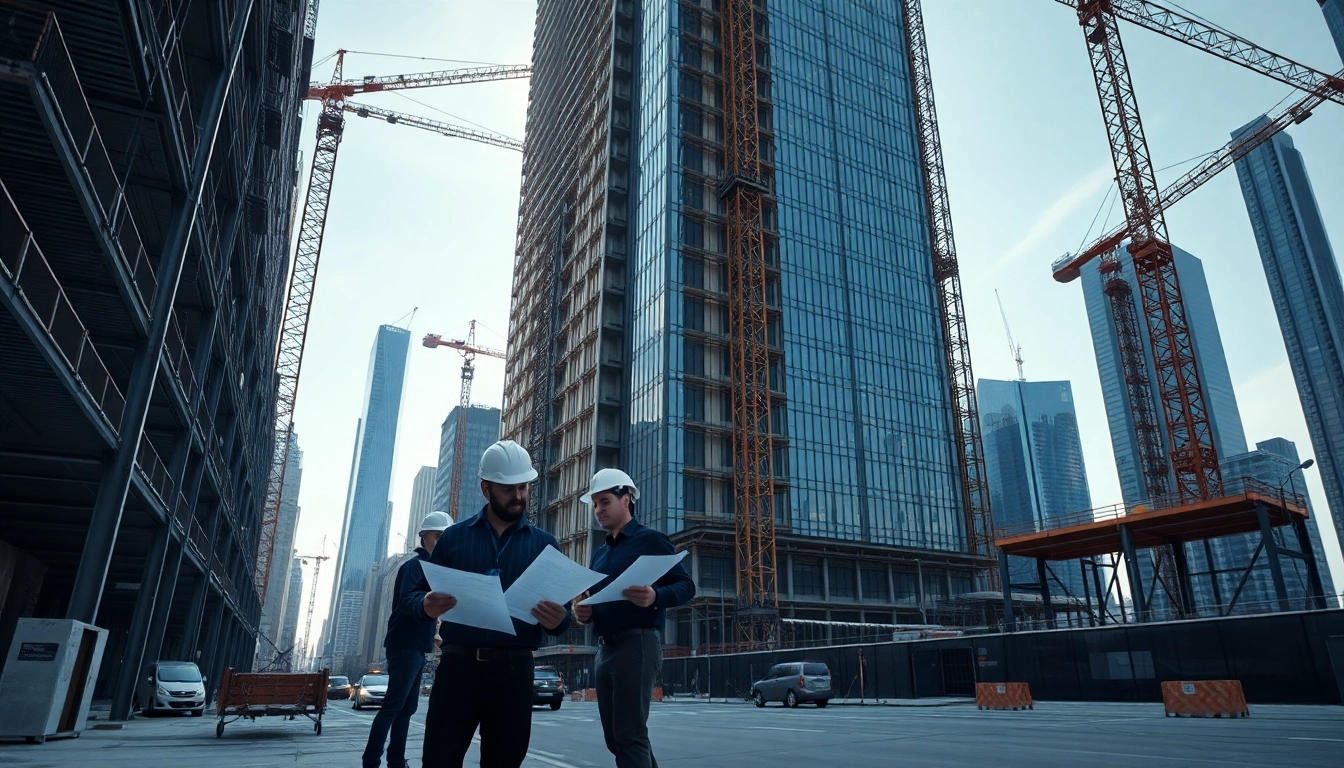
Understanding the Role of a New York City General Contractor
In a bustling metropolis like New York City, the role of a general contractor is pivotal to the success of any construction project. A New York City General Contractor not only oversees the day-to-day operations but also ensures compliance with various regulations, maintains quality standards, and manages the ever-evolving dynamics of urban development. Let’s delve deeper into what defines this role, the essential skills required, and how they impact project outcomes.
Definition and Responsibilities
A general contractor is essentially the project manager for a construction site. This role encompasses a wide range of responsibilities, including:
- Project Planning: General contractors work closely with architects and engineers to develop blueprints and specifications, ensuring that all project requirements are met.
- Regulatory Compliance: They are responsible for obtaining the necessary permits and ensuring that all work conforms to local building codes and regulations.
- Subcontractor Management: General contractors hire, schedule, and manage subcontractors and laborers needed for various tasks, from electrical work to plumbing.
- Budget Management: They create project budgets and are accountable for keeping expenditures within set limits.
- Quality Control: Ensuring that all materials and workmanship meet quality standards is a crucial part of their role.
- Communication: Acting as the liaison between clients, architects, and subcontractors to relay progress updates and address concerns is vital.
Key Skills Required
To thrive in the demanding landscape of New York City construction, general contractors must possess a unique set of skills:
- Project Management: An ability to manage time, resources, and teams effectively is essential.
- Technical Knowledge: A strong understanding of construction methods, materials, and regulations is vital.
- Negotiation Skills: They must be adept at negotiating contracts with subcontractors and suppliers.
- Problem-Solving: The ability to troubleshoot and address unexpected challenges quickly is invaluable.
- Interpersonal Skills: Strong communication skills are necessary to build and maintain relationships.
Impact on Project Success
A competent general contractor plays a critical role in the success of construction projects. Their expertise helps to:
- Minimize Delays: Effective project management and scheduling can significantly reduce project timelines.
- Control Costs: Their negotiation skills and budgeting expertise often lead to savings for clients.
- Enhance Quality: Through rigorous quality control measures, they ensure that the final product meets or exceeds expectations.
- Ensure Safety: Compliance with safety regulations protects the workforce and mitigates risks associated with construction work.
Essential Regulations for New York City General Contractors
To navigate the complexities of construction in New York City, general contractors must be well-versed in local regulations. This ensures compliance while safeguarding the interests of stakeholders.
Building Codes and Permits
New York City has stringent building codes that govern construction activities. These codes specify standards for:
- Structure Integrity: Requirements related to structural safety, fire protection, and occupancy standards must be strictly adhered to.
- Environmental Impact: Certain codes focus on energy efficiency and sustainability practices:
- Permit Requirements: Contractors must secure various permits before commencing construction, including excavation permits and special use permits for specific projects.
Safety Standards
The Occupational Safety and Health Administration (OSHA) guidelines are imperative in the construction industry. These standards include:
- Worker Training: All workers must undergo safety training to understand protocols and hazards.
- Site Safety Protocols: General contractors are responsible for implementing safety measures like protective gear and scaffolding safety.
- Emergency Preparedness: Having systems in place for emergencies, including evacuation plans and medical readiness, is essential.
Environmental Considerations
The environmental impact of construction activities is a growing concern. General contractors must address issues like:
- Sustainable Practices: Utilizing eco-friendly materials and sustainable building practices is becoming increasingly important.
- Waste Management: Implementing effective waste segregation and disposal practices helps minimize environmental impact.
- Compliance: Awareness of environmental regulations ensures that projects do not violate EPA standards.
Choosing the Right Materials and Resources
The selection of materials can make or break a project. Therefore, general contractors must choose wisely.
Sustainable Construction Practices
The move towards sustainable construction practices is gaining momentum in New York City. General contractors can enhance sustainability by:
- Using Recycled Materials: Incorporating recycled materials reduces waste and the need for new resources.
- Energy Efficiency: Selecting materials that meet energy-efficient standards often results in cost savings in the long run.
- Innovative Technologies: Utilizing modern construction technologies, such as prefabrication, can minimize waste and maximize efficiency.
Cohesive Design Elements
Ensuring that the chosen materials align with the overall design is crucial for project integrity. Contractors should focus on:
- Consistency: Materials should complement the structural and aesthetic design of the project.
- Durability: Selecting materials that withstand New York City’s climate ensures longevity.
- Supplier Relationships: Building strong relationships with reliable suppliers facilitates access to quality materials.
Cost-Effective Material Sourcing
Cost control is a fundamental aspect of project management. General contractors should look for:
- Bulk Purchasing Discounts: Buying materials in bulk can lead to significant savings.
- Local Sourcing: Sourcing materials locally can reduce transportation costs and support the local economy.
- Competitive Bidding: Encouraging multiple suppliers to bid on materials can lead to lower prices.
Best Practices for Project Management
Effective project management is essential for timely and cost-efficient project completion. Here are some best practices:
Effective Communication Techniques
Clear communication is key in construction projects. General contractors should prioritize:
- Regular Updates: Frequent updates to stakeholders about progress can ease concerns and enhance trust.
- Utilizing Technology: Implementing project management software allows for seamless communication.
- Open Channels: Encouraging feedback from all team members fosters a collaborative environment.
Scheduling and Budgeting
Maintaining a tight rein on schedules and budgets is critical. Contractors can achieve this by:
- Detailed Planning: Developing detailed project timelines can help anticipate delays.
- Budget Tracking: Implementing tools and practices to monitor expenses ensures adherence to budget limits.
- Adjusting Plans: Flexibility to adapt plans based on budgetary and scheduling realities is vital.
Leveraging Technology in Management
Technology has become an invaluable asset in project management. General contractors should leverage tools such as:
- Project Management Software: Platforms like Procore or Buildertrend streamline project tracking and communication.
- Building Information Modeling (BIM): Helps visualize the project and improve collaboration among stakeholders.
- Mobile Applications: Enable on-site management, allowing instant communication and updates.
Building a Reputation as a Top New York City General Contractor
A strong reputation is paramount in the competitive landscape of New York City construction. General contractors can establish a positive image by focusing on:
Marketing Strategies that Work
Effective marketing strategies can enhance brand visibility and attract clients. Consider these strategies:
- Online Presence: Creating a professional website and utilizing social media can showcase past projects and client testimonials.
- Networking: Building relationships with real estate developers and brokers can lead to referrals.
- Content Marketing: Sharing informative content, such as blog posts or videos about construction trends, establishes authority in the field.
Building Client Relationships
Establishing lasting relationships with clients is crucial for repeat business. Strategies to enhance client relations include:
- Personalized Service: Understanding client needs and preferences is fundamental to providing a tailored experience.
- Regular Communication: Keeping clients informed throughout the project reinforces trust and satisfaction.
- Post-Project Follow-Up: Checking in after project completion ensures continued engagement and gathers valuable feedback.
Managing Reviews and Feedback
Online reputation management is essential in today’s digital age. Contractors should focus on:
- Encouraging Reviews: Actively seeking feedback from clients can enhance credibility.
- Responding to Feedback: Addressing negative reviews professionally showcases commitment to client satisfaction.
- Showcasing Success Stories: Highlighting case studies and testimonials on websites and social media can attract potential clients.
Frequently Asked Questions
1. What qualifications are needed to become a general contractor in NYC?
In New York City, general contractors typically need a combination of work experience, relevant degrees, and licenses depending on the specific trade.
2. How long does a typical construction project take?
Project duration can vary widely based on scope and complexity, but most residential projects can range from a few months to several years.
3. Are permits required for all construction projects?
Yes, most construction projects in NYC require permits to ensure compliance with local building codes and regulations.
4. How do I ensure my project stays within budget?
Regularly tracking expenses, using detailed budgets, and being flexible with adjustments can help keep a project within financial limits.
5. What are common hazards on construction sites?
Hazards can include falls from heights, equipment accidents, and safety violations. Proper training and compliance with safety regulations mitigate these risks.