
Understanding the Pergola Configurator
In the realm of outdoor design, a pergola configurator serves as an essential tool for homeowners and designers alike. This innovative software allows users to visualize and customize their pergola, ensuring that the final product perfectly aligns with their specific needs and aesthetic preferences. As outdoor living spaces increasingly become an extension of our homes, utilizing resources such as a pergola configurator can greatly enhance not only the beauty of these spaces but also their functionality.
What is a pergola configurator?
A pergola configurator is an interactive tool that enables users to design and visualize custom pergolas before construction. These configurators typically feature a user-friendly interface that allows individuals to select various parameters such as size, shape, material, and color. Some advanced configurators even offer 3D modeling capabilities, providing a realistic view of how the pergola will look within the intended outdoor environment.
Key features of an effective configurator
- User-Friendly Interface: A straightforward design that guides users step-by-step through the customization process.
- 3D Visualization: The ability to see the pergola in three dimensions helps users understand scale and design aesthetics.
- Material Options: Extensive choices of materials, including wood, aluminum, and vinyl, allowing personalization based on durability and style.
- Color and Finish Selection: Options to customize colors and finishes to match existing outdoor elements.
- Integration of Accessories: The ability to add accessories such as lighting, privacy screens, and retractable roofs for enhanced functionality.
Benefits of using a pergola configurator
Employing a pergola configurator offers numerous advantages, particularly for homeowners looking to enhance their outdoor spaces. Firstly, it enables users to experiment with different designs without any financial commitment, ensuring that they find the perfect fit for their home. Additionally, these tools can assist in making informed choices regarding materials and styles that best complement existing architecture, ultimately leading to increased homeowner satisfaction. Moreover, customizing a pergola through such tools can streamline communication with contractors and builders, as the designs are more precise and visually understandable.
Choosing the Right Style for Your Pergola
As you delve into the world of pergolas, selecting the right style is crucial to creating an outdoor space that reflects your taste and enhances your home. With an array of styles available, understanding each type can significantly influence your design decisions.
Exploring different pergola designs
There are several popular pergola designs to consider, each offering unique benefits. The traditional gable pergola, characterized by its peaked roof, adds a classic touch to any garden. Conversely, the modern flat-roofed pergola is perfect for contemporary homes. Other styles include:
- Louvered Pergola: Adjustable slats provide versatile shading options.
- Arched Pergola: An elegant arch adds curves to your outdoor space.
- Attached Pergola: Built directly against the house for continuity and support.
Popular materials for pergola construction
The choice of material plays a critical role in the durability and maintenance of your pergola. Common materials include:
- Wood: Traditional and widely loved, it can be treated for longevity but often requires more maintenance.
- Aluminum: Lightweight, rust-resistant, and available in various colors, making it a low-maintenance option.
- Vinyl: An economical choice that mimics the appearance of wood without the upkeep.
Aligning your pergola style with outdoor aesthetics
When choosing a style, it’s essential to consider how the pergola will integrate with your existing outdoor environment. Designs should complement the architecture of your home and harmonize with elements like landscaping and outdoor furniture. For example, a sleek, modern pergola may clash with a rustic setting, while a traditional wood pergola could feel out of place in a minimalist garden.
Customizing Your Pergola Experience
The beauty of a pergola configurator lies in its ability to facilitate extensive customization, allowing you to tailor every aspect of your pergola to your liking. This personalized approach not only enhances the visual appeal but can also improve functionality based on your lifestyle needs.
Essential customization options in a configurator
Key features to customize include dimensions, shape, and features. Most configurators allow you to specify:
- Size: Custom dimensions ensure that the pergola fits seamlessly into your designated space.
- Shapes: Choose from various shapes, including rectangular, square, or even custom designs.
- Architectural Elements: Options to incorporate columns, beams, and lattice work for added character.
How to select colors and finishes
When considering colors and finishes, think about the overall color scheme of your outdoor area. Many configurators will offer a palette of colors and textures, allowing you to envision how different options might look together. It’s also a good idea to consider finishes that can withstand the elements, especially if you live in a region with harsh weather conditions.
Integrating technology and smart features
Incorporating smart technology into your pergola design is becoming increasingly popular. Options for automated systems include:
- Motorized Louver Systems: Allow for easy adjustment of light and shade.
- LED Lighting: Set the mood in the evenings with integrated lighting systems.
- Wi-Fi Capabilities: Control features remotely for ultimate convenience.
Best Practices for Using a Pergola Configurator
To maximize the benefits of a pergola configurator, follow these best practices to ensure an efficient and effective design process.
Step-by-step guide to configuring your pergola
- Define Your Needs: Assess your outdoor space and determine the primary purpose of the pergola.
- Explore Design Options: Utilize the configurator to explore various styles and materials.
- Customization: Take advantage of customization features to refine your design.
- Download and Share: Export your design for review with family or contractors.
Avoiding common pitfalls in design
Some common mistakes to avoid include:
- Underestimating Size: Ensure that the space can accommodate your desired pergola dimensions without overcrowding.
- Ignoring Local Regulations: Check zoning laws and HOA guidelines regarding structures in outdoor spaces.
- Neglecting Functionality: Consider how the pergola will be used and ensure that features such as lighting and shading are addressed.
Real-world examples of successful pergola designs
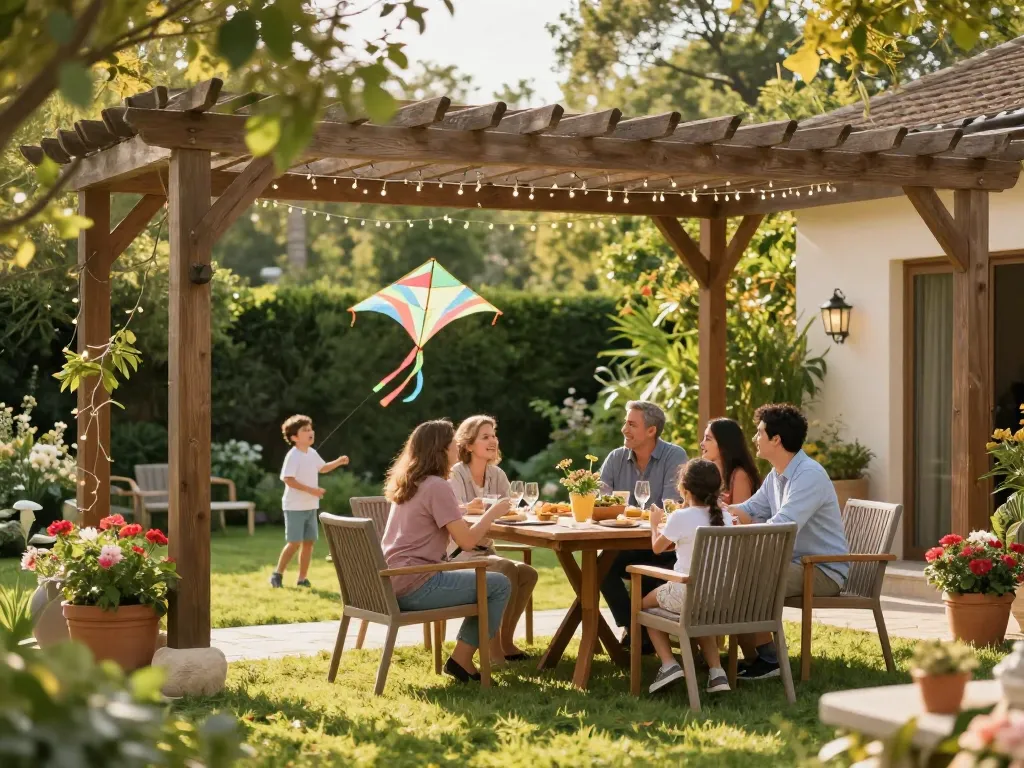
Many homeowners have successfully utilized pergola configurators to achieve stunning results. For instance, a family intending to create a multifunctional outdoor living area designed a louvered pergola that provides shade during the day and integrates soft lighting for evening gatherings, showcasing a blend of functionality and aesthetics.
Future Trends in Pergola Design and Configuration
The world of outdoor design is continually evolving, and pergola design is no exception. Staying ahead of trends can help you future-proof your outdoor spaces.
Emerging materials and technologies for 2026
As we look to the future, innovative materials such as composite wood and advanced aluminum alloys are gaining popularity. These materials not only offer sustainability but also enhance durability and reduce maintenance. Additionally, as smart home technology advances, expect to see more pergolas equipped with automated systems that adapt to changing weather conditions.
Eco-friendly practices in pergola construction
Today’s homeowners are more environmentally conscious than ever, leading to a rise in eco-friendly building practices. Choosing sustainably sourced materials and implementing energy-efficient systems will not only benefit the environment but can also reduce long-term maintenance costs.
Predictions for outdoor living spaces in the coming years
As outdoor living spaces continue to evolve, the trend is shifting towards multifunctional areas that accommodate relaxation, dining, and entertainment. Pergolas will increasingly serve as focal points, integrating additional features such as outdoor kitchens, seating areas, and even vertical gardens that contribute to the overall ambiance of the space.
How can I effectively use a pergola configurator?
To get the most out of a pergola configurator, familiarize yourself with the available features. Start by defining your vision, exploring different designs, and utilizing customization tools to create a pergola that meets your specific desires and needs.
What styles of pergolas are most popular right now?
Currently, modern louvered pergolas are gaining popularity due to their versatility and ability to adapt to various weather conditions, while traditional wood designs continue to be favored for their timeless appeal.
Can I visualize my pergola design before construction?
Yes, the advantage of using a configurator lies in its visualization capabilities, allowing you to see a 3D representation of your design before making any construction commitments.
Are there specific materials recommended for durability?
Aluminum and vinyl are often recommended for their durability and low maintenance needs. Wood can also be a great choice when treated properly against the elements.
What are the latest trends in outdoor living spaces?
The latest trends include integrating technology, enhancing sustainability, and creating multifunctional spaces that cater to both relaxation and entertainment needs.