
Understanding Colonial Addition: Key Features
1. Historical Context and Significance
The colonial addition represents more than just an architectural project; it embodies a significant historical context that evolved over centuries. Originating in the 17th and 18th centuries, colonial architecture reflects the values, cultural aesthetics, and social norms of the time. Colonial homes were initially built using the resources available in the vicinity, such as wood, stone, and clay, and featured symmetrical facades, gable roofs, and decorative elements that conveyed a sense of permanence and stability.
Understanding the foundation of colonial architecture allows homeowners to appreciate the significance of maintaining historical integrity while incorporating modern designs. A well-planned colonial addition harmonizes with the original structure, ensuring it reflects the historical essence while addressing contemporary living needs.
2. Common Architectural Styles in Colonial Additions
Various architectural styles influence colonial additions, including:
- Georgian: Characterized by symmetry and proportion, Georgian colonial homes frequently feature brick facades and elegant doorways.
- Federal: This style incorporates refined details, including decorative crown moldings and designed pilasters, often adorned with subtle decorative accents.
- Colonial Revival: A modern take on classic styles, Colonial Revival blends historical elements with contemporary functionality, often appearing in new constructions that echo colonial aesthetics.
Embracing these styles in your colonial addition can create a seamless integration that respects the past while offering the comforts of modern architecture.
3. Materials That Enhance Colonial Aesthetics
Selecting the right materials is crucial for achieving an authentic colonial look. Popular materials include:
- Wood: Used for trim, siding, and structural elements, wood adds warmth and authenticity.
- Brick: Often employed for exterior walls, brick enhances durability and embodies classic colonial aesthetics.
- Stone: Natural stone accents can be used for foundations, chimneys, or feature walls to add texture and architectural interest.
Combining these materials thoughtfully can amplify the historical appeal of your colonial addition, creating a structure that feels both elegant and enduring.
Planning Your Colonial Addition: Essential Steps
1. Assessing Space and Design Preferences
The planning phase is paramount when conceptualizing a colonial addition. Start by evaluating your current living space, identifying unmet needs and how additional square footage can address them. Consider factors such as:
- The need for additional bedrooms or bathrooms
- Desire for expanded communal areas like kitchens or living rooms
- Outdoor connections to gardens or decks
Once you’ve determined what you need, gather design inspirations that resonate with your style. Visual elements from existing colonial homes can guide your aesthetic direction, ensuring your new space feels integrated and cohesive.
2. Engaging with Architects and Designers
Collaboration with skilled architects and designers is crucial for a successful colonial addition. Look for professionals with experience in historic renovations who can:
- Provide insight into maintaining historical authenticity
- Help visualize your ideas through sketches or 3D models
- Advise on structural implications of your design choices
Regular communication with your design team ensures that your vision is accurately translated into tangible plans.
3. Navigating Local Building Regulations
Each locality has its building codes and regulations regarding construction projects, especially for historic or colonial additions. Ensure that you engage with local building authorities early to:
- Understand permit requirements for additions
- Assess zoning laws that might affect your project
- Ensure compliance with preservation guidelines, if applicable
Staying informed about these regulations can prevent delays and costly modifications during the project.
Designing Functional Spaces in Colonial Additions
1. Open Concept vs. Traditional Layouts
When designing your colonial addition, a significant decision is the choice between open concept and traditional layouts. Open-concept designs emphasize modern living by removing walls between spaces, fostering connection within family activities. However, the traditional layout aligns closely with colonial design principles, maintaining distinct, functional areas that reflect the home’s historical roots. Consider your lifestyle when making this choice:
- If entertaining is a priority, an open layout might be more suitable.
- If you value privacy and specific space functions, a traditional approach could be preferable.
Finding a balance between modern design and historical context is critical to achieve a harmonious outcome.
2. Incorporating Natural Light and Ventilation
Natural light and ventilation are vital elements in any home design. For colonial additions, consider how to maximize these aspects:
- Install large windows or French doors that lead outside, creating a connection with nature while enhancing light flow.
- Choose transom windows or skylights to enhance brightness and airflow without compromising the integrity of the original structure.
Effective light and ventilation contribute not only to aesthetics but also to energy efficiency and overall comfort.
3. Maximizing Outdoor and Indoor Connections
Creating a seamless transition between indoor and outdoor spaces is particularly beneficial in a colonial addition. Strategies to enhance these connections include:
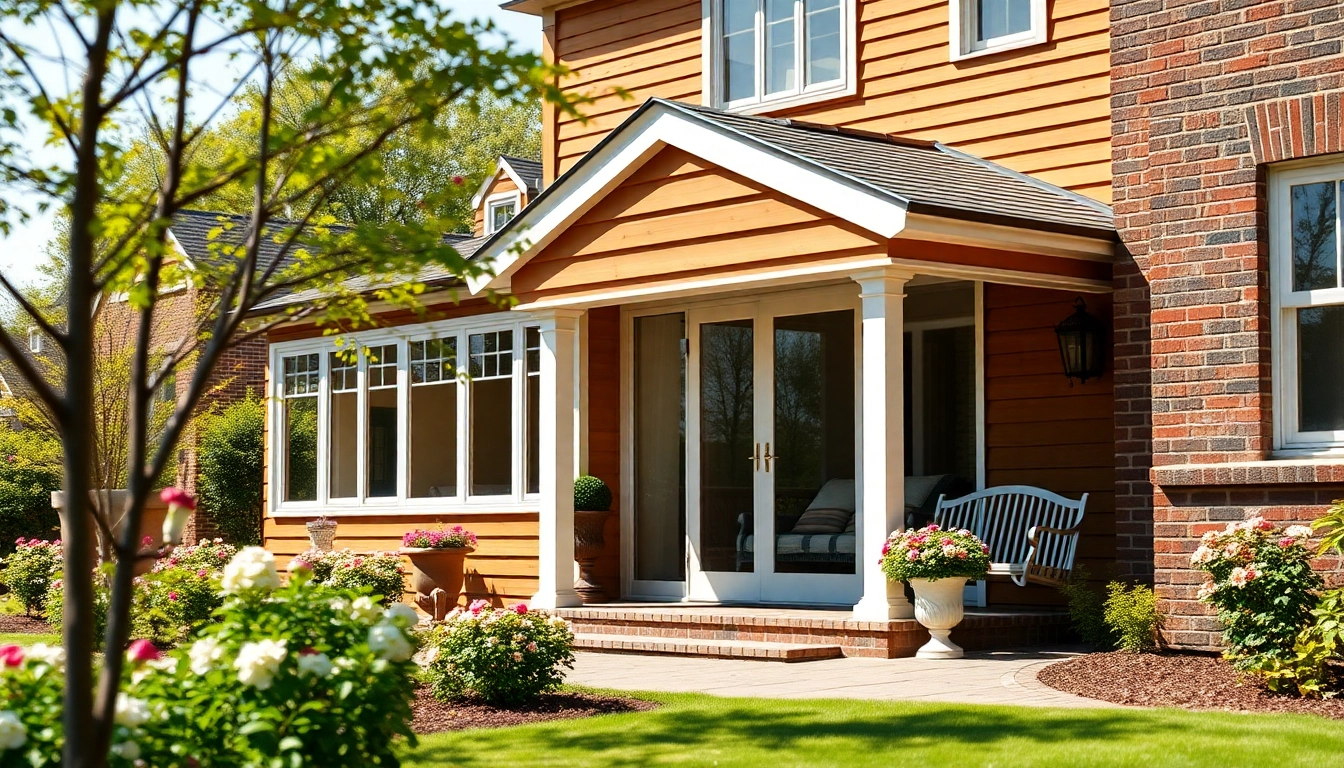
- Integrating porches or patios that echo colonial design elements, such as railings or columns.
- Utilizing landscaping to frame views and provide outdoor living spaces aligned with the architecture.
Fostering these connections ensures your home feels expansive and connected to its surroundings.
Common Challenges in Building Colonial Additions
1. Balancing Modern Needs with Historic Integrity
One of the primary challenges of constructing a colonial addition is maintaining the original home’s historic integrity. Striking a balance is crucial. To tackle this challenge:
- Choose designs and materials that reflect historical accuracy.
- Consult with historians or preservation experts to ensure compliance with historical standards.
Accepting and embracing the character of your original home while incorporating necessary modern amenities is where true craftsmanship lies.
2. Managing Budget Constraints Effectively
Budget management is critical for any construction project. To keep costs under control while building your colonial addition:
- Establish a realistic budget early on, incorporating contingencies for unexpected expenses.
- Prioritize your needs, ensuring essential elements are funded before additional luxuries.
Maintaining flexibility in your design can also help in finding cost-effective alternatives that do not compromise quality.
3. Ensuring Quality Craftsmanship and Materials
The quality of craftsmanship and materials directly affects the longevity and beauty of your colonial addition. To ensure a high standard:
- Hire reputable contractors known for their experience in historical renovations.
- Research materials thoroughly, verifying that they match the originals in style and durability.
Putting emphasis on quality over cost will pay off in preserving the charm and integrity of your home.
Enhancing Value with a Colonial Addition
1. Boosting Curb Appeal Through Design
A well-designed colonial addition should enhance the overall curb appeal of your home. Consider these design strategies:
- Create an inviting entryway with covered porches or grand entrances.
- Incorporate traditional landscaping, using period-appropriate plants and pathways to complement your design.
Boosting curb appeal not only enriches your living experience, but can also significantly increase the property’s market value.
2. Increasing Property Value: What to Expect
Residential additions generally lead to a substantial increase in property value. A colonial addition, specifically, is recognized for its charm and aesthetics which can enhance market appeal. While ROI can vary based on local market conditions, adding sufficient square footage can pave the way for substantial future returns, particularly if completed with attention to detail and quality design.
3. Marketing Your Home Post-Addition
Once the colonial addition is completed, marketing your home effectively can lead to attractive offers. Highlight the unique historical aspects of your home in listings and during showings:
- Utilize high-quality photography to capture the integration of the new addition with the existing structure.
- Emphasize energy-efficient features that come with modern building practices while maintaining historical traditions.
Highlighting both the historical integrity and modern conveniences attracts discerning buyers looking for unique homes that blend the best of both worlds.
Frequently Asked Questions
1. What is a colonial addition?
A colonial addition is a structural extension or renovation that complements the original colonial architecture while providing additional functional space for modern living needs.
2. How can I maintain historic integrity during my colonial addition?
To maintain integrity, use historically accurate materials, designs, and consult historic preservation experts as needed during your planning process.
3. What is the typical cost range for a colonial addition?
Costs vary widely based on size and materials. It’s advisable to set a budget, accounting for unexpected costs during the construction process.
4. Do I need a permit for a colonial addition?
Yes, most locales require permits for construction projects. Check with your local regulations before proceeding with the addition.
5. How can I enhance the value of my home with a colonial addition?
Enhance value by ensuring quality craftsmanship, maintaining architectural style, and increasing livable space focused on modern needs while respecting historical aesthetics.