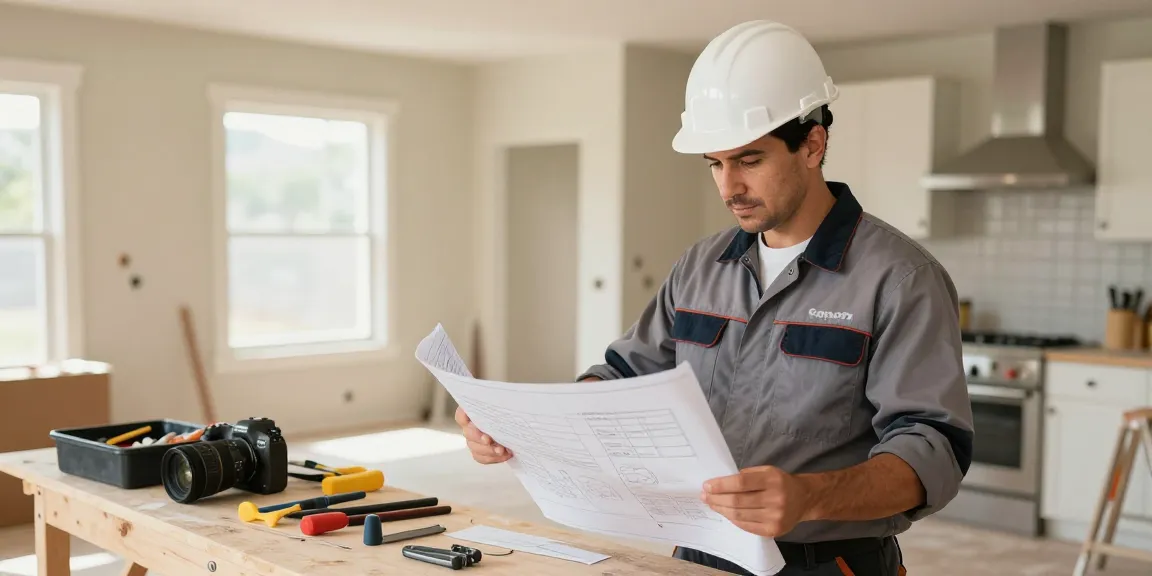
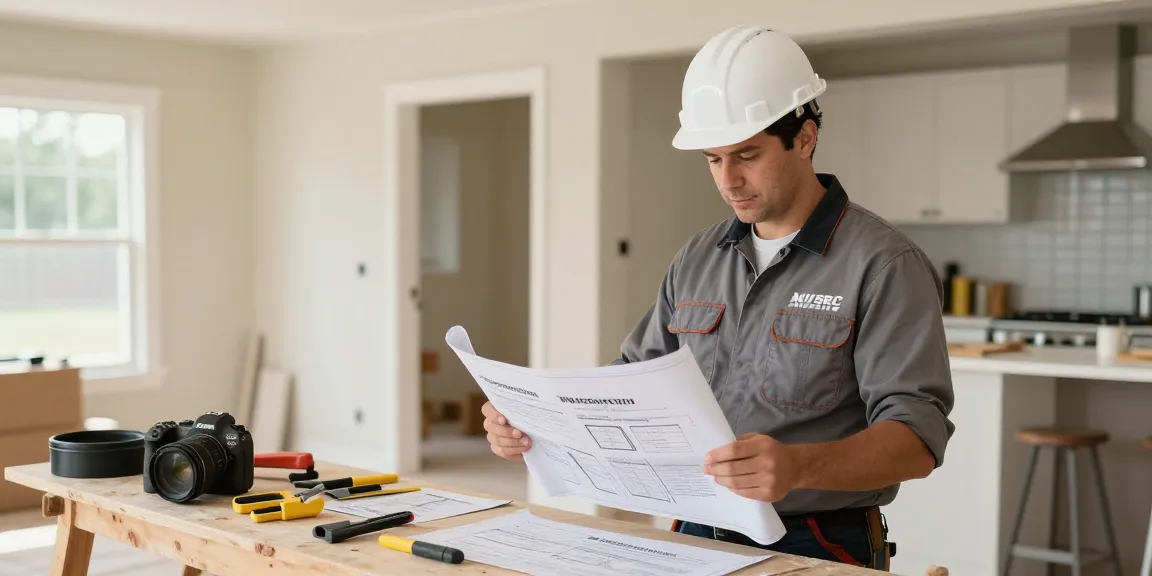
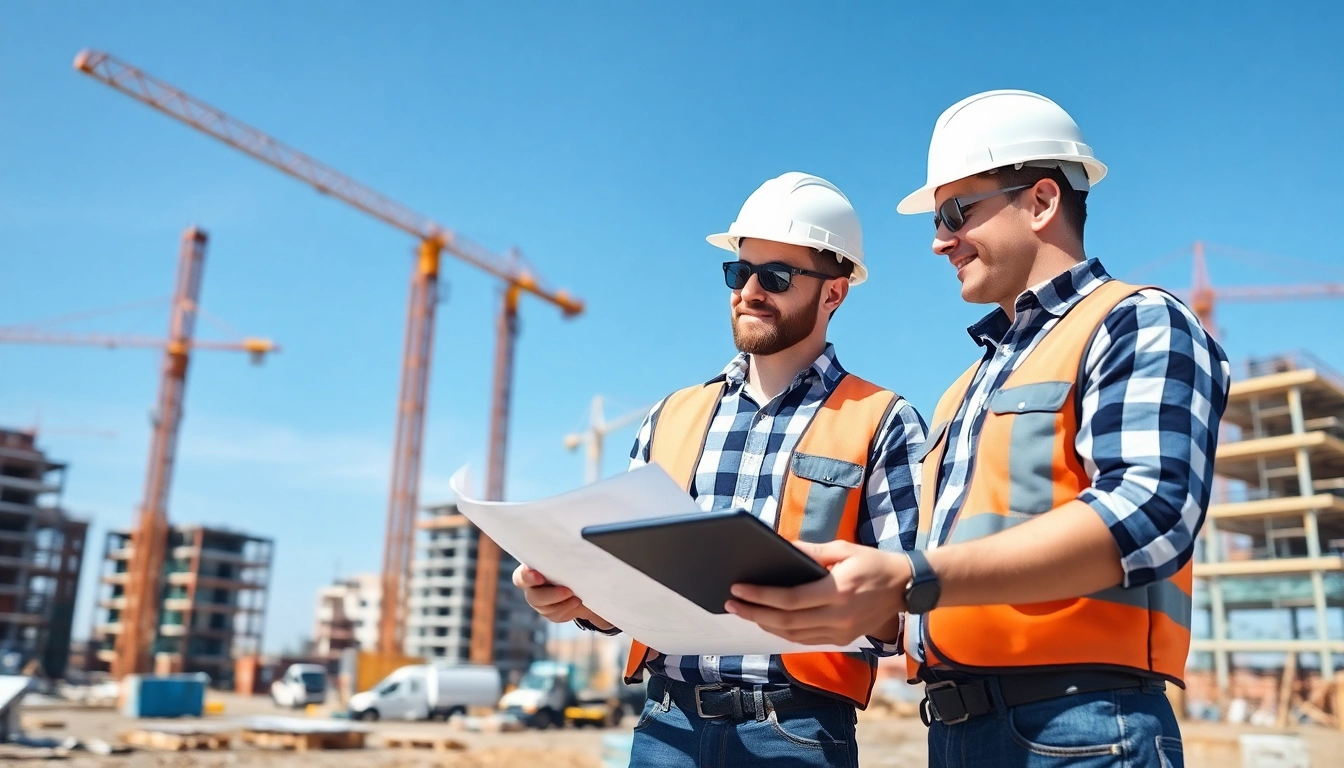
Engaged professionals at construction networking events discussing plans and sharing ideas in a vibrant conference hall.

Elevating Industry Connections Through Construction Networking Events

The Importance of Construction Networking Events

In the competitive landscape of the construction industry, relationships can be as important as expertise. Construction networking events have emerged as vital platforms for creating connections, sharing insights, and exploring opportunities. In this article, we will delve into the multifaceted value these events deliver, both for individuals and companies, and provide actionable insights on how to maximize their potential.

Understanding Industry Relationships

The construction industry thrives on relationships. From builders and contractors to suppliers and architects, every player must establish connections to navigate the complex web of projects, regulations, and partnerships. Networking events serve as a conduit for building these critical relationships. By bringing together diverse stakeholders, these events facilitate exchanges that can lead to collaborations, referrals, and support networks, ultimately driving business success.

The Role of Networking in Career Advancement

For professionals in the construction sector, networking can significantly impact career trajectories. Engaging with peers and industry leaders provides valuable exposure and insights that can enhance skills and knowledge. Attending networking events allows individuals to showcase their expertise, learn about industry trends, and gain mentorship opportunities. Furthermore, the connections made at these events often translate into job opportunities, promotions, and partnerships, making networking indispensable for career growth.

Benefits for Companies and Individuals

Both companies and individuals can reap substantial benefits from participating in construction networking events. For companies, these gatherings offer a platform for brand visibility and the opportunity to forge alliances that can lead to future contracts. Networking can also help businesses identify new market trends and customer needs, allowing them to tailor offerings more effectively. For individuals, the benefits are equally significant: access to potential job leads, partnerships, and industry insights that can enhance professional abilities all contribute to personal and professional development.

How to Facilitate Successful Construction Networking Events

Planning and executing a successful networking event requires careful consideration of various factors. From the mission of the event to the logistics, every detail plays a crucial role in ensuring engagement and effectiveness.

Creating an Engaging Agenda

An engaging agenda is the backbone of a successful networking event. Start by identifying the goals, whether it is to foster partnerships, share knowledge, or simply create social connections. Incorporate a mix of structured activities such as presentations, panel discussions, and breakout sessions to cater to different networking styles. Allot sufficient time for open networking to allow attendees to mingle and make connections, as the informal interactions often lead to the most fruitful relationships.

Selecting the Right Venue and Atmosphere

The venue of a networking event significantly influences its success. Choose a location that is accessible, welcoming, and appropriate for the target audience. Consider the atmosphere you want to create; casual environments can encourage open conversation, while more formal settings may lend an air of professionalism. Ensure that facilities such as Wi-Fi, seating, and technical equipment are sufficient for the planned activities.

Effective Promotion Strategies

Effective promotion is crucial to attract attendees to your construction networking events. Utilize various marketing channels, such as social media, email newsletters, and industry forums, to reach your target audience. Highlight the unique selling points of the event, such as keynote speakers or specific networking opportunities, to generate interest. Collaborating with industry partners can also expand your reach and credibility, drawing more attendees.

Key Elements of Productive Networking

To guarantee the effectiveness of networking events, certain elements must be emphasized. These factors help foster authentic connections and ensure that attendees leave with valuable relationships and insights.

Building Authentic Connections

Authenticity is key in networking. Encourage attendees to engage genuinely rather than just exchanging business cards. Tips for building authentic connections include starting conversations with open-ended questions, sharing personal experiences, and finding common ground. Promoting an environment where everyone feels comfortable to introduce themselves can also enhance networking potential.

Utilizing Technology for Enhanced Interactions

In today’s digital age, leveraging technology can enhance networking experiences. Use event apps that allow attendees to connect before, during, and after the event. Virtual meeting options can accommodate remote attendees, expanding your event’s reach. Additionally, social media can be a powerful tool for follow-up conversations and extending the networking experience beyond the physical event.

Follow-Up Strategies to Foster Relationships

The networking process doesn’t end when the event does. Follow-up is essential for solidifying connections made. Send personalized follow-up emails thanking attendees for their participation, and reference specific discussions to remind them of your conversation. Connecting on professional networks like LinkedIn can keep the dialogue going, allowing for future interactions and building on the foundation established during the event.

Measuring Success in Networking Events

Understanding the effectiveness of networking events is crucial for future planning. By measuring success through appropriate metrics and feedback, organizers can gain valuable insights that inform adjustments and improvements.

Setting Clear Objectives

Before the event, set clear objectives that define what success looks like. Objectives may include the number of attendees, new connections made, or partnerships initiated. By establishing measurable goals, you can assess whether those goals were met after the event concludes.

Collecting Feedback for Improvement

Gathering feedback from attendees provides critical insights into what worked well and what can be improved. Distribute surveys via email or during the event, asking participants for their thoughts on the agenda, venue, and overall experience. Analyze the feedback to identify patterns and areas for enhancement in future events.

Analyzing Engagement Metrics

Engagement metrics such as the number of conversations started, business cards exchanged, and social media interactions can provide a quantitative measure of networking effectiveness. Tracking these statistics helps gauge attendee satisfaction and confirms whether networking objectives were achieved, allowing for data-driven insights for future events.

FAQs about Construction Networking Events

What is a construction networking event?

These events bring together industry professionals to build connections, share insights, and discuss opportunities.

Who should attend construction networking events?

Anyone in the construction industry, including builders, suppliers, and architects, can benefit from these events.

How do I prepare for a networking event?

Research attendees, prepare your introduction, and have business cards ready to maximize your networking efforts.

Are construction networking events worth attending?

Yes, they provide valuable opportunities for collaboration, career growth, and business development.

How can I find construction networking events near me?

Check online platforms, local business associations, or industry-specific websites for upcoming events.

Skilled New York City General Contractor overseeing construction site activities with urban backdrop.

Achieving Excellence as a New York City General Contractor: Strategies for Success

Understanding the Role of a New York City General Contractor

In a bustling metropolis like New York City, the role of a general contractor is pivotal to the success of any construction project. A New York City General Contractor not only oversees the day-to-day operations but also ensures compliance with various regulations, maintains quality standards, and manages the ever-evolving dynamics of urban development. Let’s delve deeper into what defines this role, the essential skills required, and how they impact project outcomes.

Definition and Responsibilities

A general contractor is essentially the project manager for a construction site. This role encompasses a wide range of responsibilities, including:

  • Project Planning: General contractors work closely with architects and engineers to develop blueprints and specifications, ensuring that all project requirements are met.
  • Regulatory Compliance: They are responsible for obtaining the necessary permits and ensuring that all work conforms to local building codes and regulations.
  • Subcontractor Management: General contractors hire, schedule, and manage subcontractors and laborers needed for various tasks, from electrical work to plumbing.
  • Budget Management: They create project budgets and are accountable for keeping expenditures within set limits.
  • Quality Control: Ensuring that all materials and workmanship meet quality standards is a crucial part of their role.
  • Communication: Acting as the liaison between clients, architects, and subcontractors to relay progress updates and address concerns is vital.

Key Skills Required

To thrive in the demanding landscape of New York City construction, general contractors must possess a unique set of skills:

  • Project Management: An ability to manage time, resources, and teams effectively is essential.
  • Technical Knowledge: A strong understanding of construction methods, materials, and regulations is vital.
  • Negotiation Skills: They must be adept at negotiating contracts with subcontractors and suppliers.
  • Problem-Solving: The ability to troubleshoot and address unexpected challenges quickly is invaluable.
  • Interpersonal Skills: Strong communication skills are necessary to build and maintain relationships.

Impact on Project Success

A competent general contractor plays a critical role in the success of construction projects. Their expertise helps to:

  • Minimize Delays: Effective project management and scheduling can significantly reduce project timelines.
  • Control Costs: Their negotiation skills and budgeting expertise often lead to savings for clients.
  • Enhance Quality: Through rigorous quality control measures, they ensure that the final product meets or exceeds expectations.
  • Ensure Safety: Compliance with safety regulations protects the workforce and mitigates risks associated with construction work.

Essential Regulations for New York City General Contractors

To navigate the complexities of construction in New York City, general contractors must be well-versed in local regulations. This ensures compliance while safeguarding the interests of stakeholders.

Building Codes and Permits

New York City has stringent building codes that govern construction activities. These codes specify standards for:

  • Structure Integrity: Requirements related to structural safety, fire protection, and occupancy standards must be strictly adhered to.
  • Environmental Impact: Certain codes focus on energy efficiency and sustainability practices:
  • Permit Requirements: Contractors must secure various permits before commencing construction, including excavation permits and special use permits for specific projects.

Safety Standards

The Occupational Safety and Health Administration (OSHA) guidelines are imperative in the construction industry. These standards include:

  • Worker Training: All workers must undergo safety training to understand protocols and hazards.
  • Site Safety Protocols: General contractors are responsible for implementing safety measures like protective gear and scaffolding safety.
  • Emergency Preparedness: Having systems in place for emergencies, including evacuation plans and medical readiness, is essential.

Environmental Considerations

The environmental impact of construction activities is a growing concern. General contractors must address issues like:

  • Sustainable Practices: Utilizing eco-friendly materials and sustainable building practices is becoming increasingly important.
  • Waste Management: Implementing effective waste segregation and disposal practices helps minimize environmental impact.
  • Compliance: Awareness of environmental regulations ensures that projects do not violate EPA standards.

Choosing the Right Materials and Resources

The selection of materials can make or break a project. Therefore, general contractors must choose wisely.

Sustainable Construction Practices

The move towards sustainable construction practices is gaining momentum in New York City. General contractors can enhance sustainability by:

  • Using Recycled Materials: Incorporating recycled materials reduces waste and the need for new resources.
  • Energy Efficiency: Selecting materials that meet energy-efficient standards often results in cost savings in the long run.
  • Innovative Technologies: Utilizing modern construction technologies, such as prefabrication, can minimize waste and maximize efficiency.

Cohesive Design Elements

Ensuring that the chosen materials align with the overall design is crucial for project integrity. Contractors should focus on:

  • Consistency: Materials should complement the structural and aesthetic design of the project.
  • Durability: Selecting materials that withstand New York City’s climate ensures longevity.
  • Supplier Relationships: Building strong relationships with reliable suppliers facilitates access to quality materials.

Cost-Effective Material Sourcing

Cost control is a fundamental aspect of project management. General contractors should look for:

  • Bulk Purchasing Discounts: Buying materials in bulk can lead to significant savings.
  • Local Sourcing: Sourcing materials locally can reduce transportation costs and support the local economy.
  • Competitive Bidding: Encouraging multiple suppliers to bid on materials can lead to lower prices.

Best Practices for Project Management

Effective project management is essential for timely and cost-efficient project completion. Here are some best practices:

Effective Communication Techniques

Clear communication is key in construction projects. General contractors should prioritize:

  • Regular Updates: Frequent updates to stakeholders about progress can ease concerns and enhance trust.
  • Utilizing Technology: Implementing project management software allows for seamless communication.
  • Open Channels: Encouraging feedback from all team members fosters a collaborative environment.

Scheduling and Budgeting

Maintaining a tight rein on schedules and budgets is critical. Contractors can achieve this by:

  • Detailed Planning: Developing detailed project timelines can help anticipate delays.
  • Budget Tracking: Implementing tools and practices to monitor expenses ensures adherence to budget limits.
  • Adjusting Plans: Flexibility to adapt plans based on budgetary and scheduling realities is vital.

Leveraging Technology in Management

Technology has become an invaluable asset in project management. General contractors should leverage tools such as:

  • Project Management Software: Platforms like Procore or Buildertrend streamline project tracking and communication.
  • Building Information Modeling (BIM): Helps visualize the project and improve collaboration among stakeholders.
  • Mobile Applications: Enable on-site management, allowing instant communication and updates.

Building a Reputation as a Top New York City General Contractor

A strong reputation is paramount in the competitive landscape of New York City construction. General contractors can establish a positive image by focusing on:

Marketing Strategies that Work

Effective marketing strategies can enhance brand visibility and attract clients. Consider these strategies:

  • Online Presence: Creating a professional website and utilizing social media can showcase past projects and client testimonials.
  • Networking: Building relationships with real estate developers and brokers can lead to referrals.
  • Content Marketing: Sharing informative content, such as blog posts or videos about construction trends, establishes authority in the field.

Building Client Relationships

Establishing lasting relationships with clients is crucial for repeat business. Strategies to enhance client relations include:

  • Personalized Service: Understanding client needs and preferences is fundamental to providing a tailored experience.
  • Regular Communication: Keeping clients informed throughout the project reinforces trust and satisfaction.
  • Post-Project Follow-Up: Checking in after project completion ensures continued engagement and gathers valuable feedback.

Managing Reviews and Feedback

Online reputation management is essential in today’s digital age. Contractors should focus on:

  • Encouraging Reviews: Actively seeking feedback from clients can enhance credibility.
  • Responding to Feedback: Addressing negative reviews professionally showcases commitment to client satisfaction.
  • Showcasing Success Stories: Highlighting case studies and testimonials on websites and social media can attract potential clients.

Frequently Asked Questions

1. What qualifications are needed to become a general contractor in NYC?

In New York City, general contractors typically need a combination of work experience, relevant degrees, and licenses depending on the specific trade.

2. How long does a typical construction project take?

Project duration can vary widely based on scope and complexity, but most residential projects can range from a few months to several years.

3. Are permits required for all construction projects?

Yes, most construction projects in NYC require permits to ensure compliance with local building codes and regulations.

4. How do I ensure my project stays within budget?

Regularly tracking expenses, using detailed budgets, and being flexible with adjustments can help keep a project within financial limits.

5. What are common hazards on construction sites?

Hazards can include falls from heights, equipment accidents, and safety violations. Proper training and compliance with safety regulations mitigate these risks.