Understanding the Importance of VPN
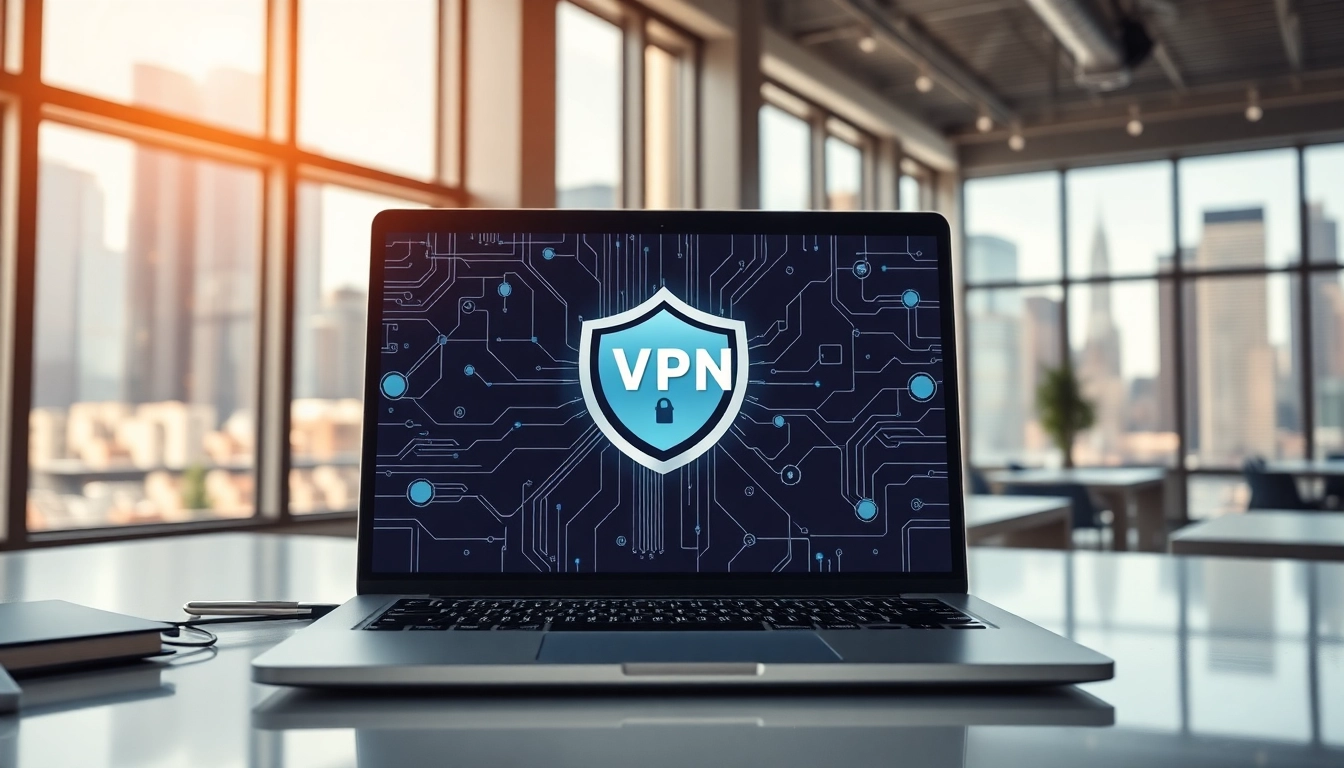
In an era where online privacy is a growing concern, understanding the role of a Virtual Private Network (VPN) is crucial. VPNs are powerful tools that help safeguard your personal data while navigating the web. With increasing threats from data breaches, cyber attacks, and privacy invasions, using a vpn has become essential for individuals and organizations alike. This article delves deep into the significance of VPNs, guiding you through how they function, their advantages, and how to select the right one based on your needs.
What is a VPN and How Does it Work?
A VPN, or Virtual Private Network, creates a secure tunnel between your device and the internet. By encrypting your internet traffic, it protects your data from interpolations and snooping. Essentially, when you connect to a VPN server, your IP address is masked, making it look like you are accessing the network from the server’s location rather than your actual geographic location. This process involves several critical technologies, including tunneling protocols and encryption standards, which provide a framework for secure communication.
Benefits of Using a VPN for Privacy
The primary benefit of utilizing a VPN is enhanced privacy. When connected to a VPN, your online activities become significantly harder for hackers or unauthorized entities to track. Furthermore, VPNs help protect sensitive information, especially on unsecured networks like public Wi-Fi. Other notable benefits include:
- Data Encryption: VPNs encrypt your data, adding a layer of protection against cybercriminals.
- Anonymity: Your true IP address is hidden, enabling more anonymous browsing.
- Access to Restricted Content: VPNs allow users to bypass geo-restrictions, granting access to services or content unavailable in their region.
Common Misconceptions About VPNs
Despite the numerous advantages of VPNs, several misconceptions persist. These include the belief that VPNs guarantee complete anonymity or that they slow down internet speed significantly. While it is true that some service providers may impact speed, reputable VPNs offer optimized servers to ensure minimal slowdowns. Understanding these misconceptions is vital for maximizing the use of VPNs effectively.
Selecting the Right VPN for Your Needs
Not all VPNs are created equal. Choosing the right VPN for your specific requirements involves a detailed analysis of your security needs, desired features, and cost constraints.
Assessing Your Security Requirements
Before settling on a VPN service, it is essential to assess your security needs. Consider the following questions:
- Do you require a VPN for personal browsing or business purposes?
- What level of security are you comfortable with?
- Are there specific types of threats you're concerned about?
Understanding your purpose will help narrow down your options and focus on the features that matter most.
Key Features to Look for in a VPN
When evaluating different VPN services, pay attention to key features such as:
- Encryption Standards: Look for strong encryption protocols, such as AES-256.
- No-logs Policy: Ensure the provider has a clear no-logs policy, which means they do not keep records of your online activity.
- Server Locations: The more servers a VPN has in diverse geographic locations, the more options you have for accessing geo-restricted content.
- Multi-device Support: A good VPN should work on smartphones, tablets, and PCs.
Price vs. Performance: Finding Balance
While free VPNs are tempting, they often come with drawbacks such as slower speeds, poor security, and potential data logging. A paid VPN service may be more reliable, providing enhanced performance and security features. Strike a balance between affordability and the essential features you need to ensure your online safety.
Setting Up Your VPN Effectively
Once you've selected a VPN service, the next step is to set it up correctly. This ensures you maximize the benefits of your VPN, allowing for secure and private browsing.
Step-by-Step Installation Guide
Setting up a VPN typically involves a few straightforward steps:
- Purchase a subscription to your selected VPN service.
- Download and install the VPN application on your device.
- Open the application and log in with your credentials.
- Select a server location from the list provided by the VPN.
- Connect to the server, and your online activities are now secured!
Configuring VPN Settings for Optimal Use
Many VPNs come with default settings, but tweaking these can enhance your experience. Look into the following adjustments:
- Protocol Selection: Choose protocols based on your needs for speed versus security.
- Killing Switch: Enable the kill switch feature to stop internet traffic if the VPN connection drops.
- DNS Leak Protection: Ensure features that protect against DNS leaks are activated.
Using VPN on Different Devices
Modern VPNs offer multi-device support, allowing use on smartphones, tablets, and computers. The installation process is generally similar across devices, and many providers offer dedicated apps for different platforms. Ensure all your devices are protected for comprehensive online security.
Maximizing the Use of Your VPN
After setting up your VPN, it’s essential to maximize its potential to ensure secure and private browsing while enjoying unrestricted access to content.
Accessing Geo-Restricted Content with VPN
One of the favorite features of VPN users is the ability to access geo-restricted content, such as streaming services or websites blocked in their countries. By connecting to a server in a different location, you can bypass these restrictions and enjoy a wider range of content. Ensure that the VPN provides IP addresses specifically designed to evade geoblocks on popular services.
Enhancing Online Gaming Experience with VPN
VPNs can significantly enhance your gaming experience by reducing lag and securing connections. By connecting to a server closer to your game server, you may improve your latency. Additionally, a VPN can help prevent DDoS attacks, providing a safer gaming experience.
Troubleshooting Common VPN Issues
Common VPN issues include connection problems or slow speeds. To troubleshoot, consider these steps:
- Check if the VPN is connected properly.
- Switch servers if you're experiencing slow speeds.
- Restart the application or device.
- Contact customer support for persistent issues.
Evaluating VPN Performance
Once you've been using your VPN, it’s important to regularly evaluate its performance to ensure it continues to meet your needs.
Measuring Your VPN Speed and Reliability
Test your VPN's speed by running speed tests before and after connecting to the VPN. Look for consistent speed and minimal latency. These measurements can help indicate the reliability of the service you are using.
Understanding Data Privacy Practices of VPN Providers
Familiarize yourself with the privacy policies of your VPN provider. Ensure they do not log your browsing data, and understand how they protect user information. Transparency in operations and adherence to strict privacy standards is crucial.
Regularly Updating and Maintaining Your VPN
Keep your VPN application updated to benefit from the latest security patches and features. Regular maintenance, such as adjusting your settings and ensuring optimal connection, can also enhance performance and security.
Frequently Asked Questions
What is a VPN?
A VPN, or Virtual Private Network, provides a secure connection to the internet, protecting your privacy and data from prying eyes.
How does a VPN improve online privacy?
A VPN encrypts your internet traffic, making it difficult for hackers or ISPs to track your online activities and access your personal data.
Can I use VPN on all devices?
Most VPN services support multiple devices, including smartphones, tablets, and computers, allowing you to stay secure everywhere.
Is using a VPN legal?
Yes, using a VPN is legal in most countries, though some regions have regulations regarding their use. Always check local laws.
Will a VPN slow down my internet connection?
A VPN may slightly reduce internet speeds due to encryption, but reputable services offer optimized servers to minimize this impact.