
Understanding Window Tint Near Me
Definition and Purpose of Window Tint
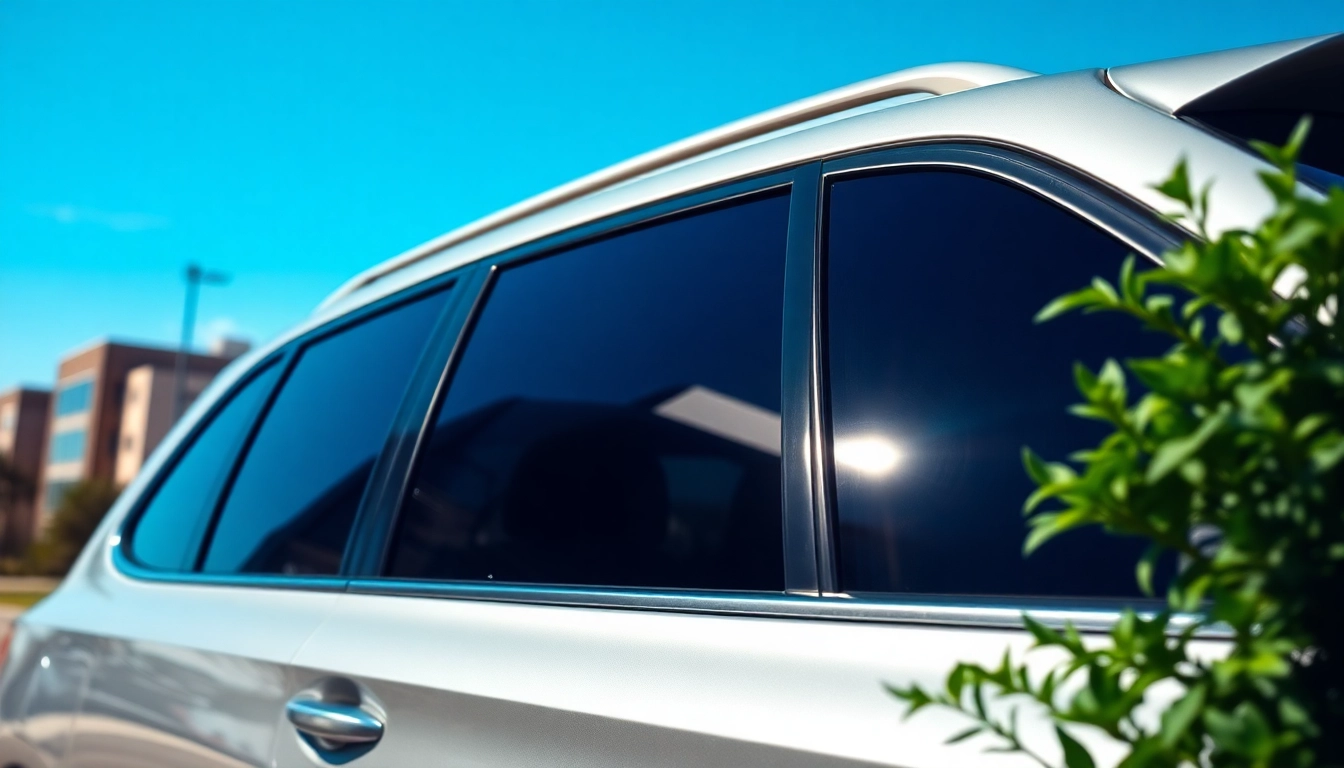
Window tint refers to a thin film of material applied to the glass surfaces of vehicles or buildings to reduce sunlight penetration and enhance privacy. Traditionally, this film can also improve aesthetics by offering a sleek appearance to vehicles. The primary purposes of window tint include blocking harmful ultraviolet (UV) rays, reducing glare, enhancing energy efficiency, and providing security and privacy for occupants. Given the variation in climate and environmental conditions, many vehicle and property owners are now looking for window tint near me to enhance their overall comfort and safety.
Common Types of Window Tint Available
When considering window tint, it’s essential to know the various types available. These commonly include:
- Dyed Window Film: Offers a basic level of privacy and reduces glare but has limited heat resistance.
- Metalized Window Film: Incorporates small metallic particles that reflect heat away while providing privacy and durability.
- Carbon Window Film: Offers excellent infrared heat rejection and does not fade over time, maintaining its appearance and efficacy.
- Ceramic Window Film: Provides UV protection and heat rejection without interference with electronic signals, making it ideal for newer vehicles.
- Reflective Window Film: Known for its ability to reflect light, this film is perfect for maximum privacy but may not be suitable for residential properties due to aesthetic considerations.
Benefits of Local Installation
Choosing a local installer for your window tint offers several advantages:
- Support Local Businesses: Local businesses are more invested in their community and pride themselves on customer service.
- Knowledge of Local Regulations: Experts familiar with state regulations can ensure compliance with local laws regarding tint darkness and placement.
- Quick and Convenient Service: Local installers can typically provide faster service without the delays associated with long-distance shipping or travel.
- Personalized Service: You can consult directly with the technician about your needs, preferences, and concerns, ensuring a tailored experience.
- Post-Installation Support: If issues arise after installation, local shops can provide support and guidance quickly.
Choosing the Right Window Tint Near Me
Factors to Consider When Selecting Window Tint
Selecting the right window tint involves considering various factors to ensure you make an informed decision. Key factors to assess include:
- Heat Rejection: Depending on your local climate, you may prioritize films with high heat rejection properties.
- UV Protection: Look for window films that block up to 99% of harmful UV rays to protect your skin and interior materials.
- Privacy Level: Consider how much privacy you desire. Different tints provide varying levels of visibility from the outside.
- Aesthetic Choices: Pick a color and finish that complements the look of your vehicle or building.
- Durability: Some films are more prone to scratches and fading; understanding the durability range can lead to a better long-term investment.
Local Regulations and Compliance
Before proceeding with window tinting, it’s crucial to familiarize yourself with local laws and regulations. Laws can vary significantly based on state and municipality, affecting the following:
- Tint Darkness: Each region has specifications dictating how dark the tint can be for various windows.
- Registration Requirements: Some areas may require vehicles to be registered with specific tint details.
- Permissible Reflectivity: Certain regions limit how reflective the tint can be to ensure safety and visibility on the roads.
Consultation with a professional installer can clarify any questions regarding compliance with local laws, ensuring peace of mind during the decision-making process.
Assessing Quality and Warranty Options
Quality is paramount when choosing window tint. Here are some criteria to assess quality:
- Manufacturer Reputation: Select well-known brands with a positive track record in the market.
- Warranty Length: A robust warranty can indicate confidence in the product’s durability and performance.
- Installation Guarantee: Many reputable professionals offer guarantees on their work to provide an extra layer of assurance.
- Material Performance: Look for films that have been tested for performance metrics, including scratch resistance and heat rejection.
Installation Process of Window Tint Near Me
Overview of the Installation Steps
The installation process involves several key steps designed to ensure a professional finish:
- Consultation: Discuss your needs with the installer to determine the best film type for your requirements.
- Cleaning: The glass must be thoroughly cleaned to remove dirt, dust, and oils that may affect adhesion.
- Measuring and Cutting: The film is precisely measured and cut to fit the specific windows of your vehicle or premises.
- Application: The film is applied to the glass, ensuring all edges are sealed properly to prevent bubbles and peeling.
- Curing: Finally, allowing the film to cure ensures optimal adhesion and performance.
Tools and Materials Needed for Installation
Proper installation requires specific tools and materials to ensure optimal results, including:
- Window Film: The type chosen based on preference and regulation.
- Cleaning Supplies: Ammonia-free glass cleaner and lint-free towels or squeegees for cleaning the glass surface.
- Utility Knife: For cutting the film to size.
- Heat Gun: To help mold the film around curves and ensure better adhesion.
- Application Tools: Squeegees, razors, and measuring tools to achieve a professional finish.
Common Mistakes to Avoid During Installation
To achieve optimal results when installing window tint, avoiding common pitfalls is essential:
- Skipping Cleaning: Failing to clean the glass properly can lead to trapped dirt and dust under the film, affecting appearance and adhesion.
- Incorrect Measurements: Always double-check measurements before cutting the film; mistakes can be costly.
- Ignoring Local Regulations: Make sure the tint selected complies with local laws to avoid penalties.
- Rushing the Installation: Take the necessary time to apply the film thoroughly and allow for proper curing.
Maintenance Tips for Window Tint Near Me
How to Clean Tinted Windows
To maintain the quality and appearance of tinted windows, specific cleaning methods are recommended:
- Use Gentle Cleaners: Opt for non-ammonia window cleaners to avoid damaging the film.
- Soft Cloth: Use microfiber or soft cloths to prevent scratches during cleaning.
- Clean Once a Week: Regular cleaning helps maintain clarity and prevent buildup of grime.
Signs of Wear and Tear to Watch For
Being vigilant for signs of wear and tear can save you from needing premature replacements:
- Bubbling: Indicates that moisture has become trapped, necessitating repair or replacement.
- Fading: Loss of vibrancy in color suggests that the film might be losing its protective properties.
- Peeling Edges: This can occur due to improper installation or aging; immediate attention is required.
When to Seek Professional Help
While maintenance can often be DIY, certain situations warrant professional intervention:
- Severe Damage: Serious scratches, bubbles, or peeling may require reinstallation.
- Professional Cleaning: Consider hiring a professional for deep cleaning if DIY methods fall short.
- Film Replacement: After many years, it may simply be time to replace the film altogether for optimal results.
Frequently Asked Questions About Window Tint Near Me
What are the benefits of window tinting?
Window tinting offers UV protection, heat reduction, enhanced privacy, and improved vehicle aesthetics.
How long does window tinting last?
With proper care, quality window tint can last anywhere from 5 to 15 years.
Can I install window tint myself?
While DIY installation is possible, professional installation ensures better results and adherence to regulations.
Is window tinting legal in my area?
Regulations vary by region; check local laws regarding tint darkness and placement before proceeding.
How can I clean tinted windows without damaging them?
Use a soft microfiber cloth and non-ammonia-based cleaners for safe cleaning of tinted windows.