Understanding Spray Foam Removal London
Spray foam insulation is a popular choice among homeowners for its excellent insulating properties. However, there are instances when spray foam removal London becomes necessary. Whether you’re experiencing discomfort in your living space, damp issues, or simply want to replace old insulation, understanding the nuances of spray foam removal is crucial.
What is Spray Foam Insulation?
Spray foam insulation is a type of insulation material that expands upon application, providing an airtight seal around structures. It typically consists of two components: isocyanate and polyol resin, which when mixed, create a foam that expands to fill gaps and voids in walls, attics, and crawl spaces. This insulation offers superior thermal resistance and can significantly reduce energy costs when properly installed. However, due to its chemical composition, it can also pose challenges during removal, particularly if installed incorrectly or if environmental issues arise.
Why Remove Spray Foam?
There are various scenarios where removing spray foam insulation becomes essential. Some of the primary reasons include:
- Damage and Deterioration: Over time, moisture can lead to mold growth, causing health issues for occupants.
- Improper Installation: If the insulation was incorrectly applied, it might not provide the intended energy efficiency.
- Renovation Needs: Home renovations often necessitate the removal of existing insulation to accommodate new designs or materials.
- Environmental Concerns: Many homeowners prefer natural materials over synthetic foams.
Common Issues Caused by Spray Foam
While spray foam insulation can be beneficial, it can also lead to several problems if not managed correctly. Here are some of the common issues:
- Mold Growth: Trapped moisture can foster mold, posing health risks.
- Structural Damage: Over-expansion can cause structural stress on walls and ceilings.
- Odors: Some spray foams can emit unpleasant odors, especially if not cured properly.
- Air Quality Issues: Off-gassing can occur, leading to poor indoor air quality.
Preparation for Spray Foam Removal
Assessing the Area for Removal
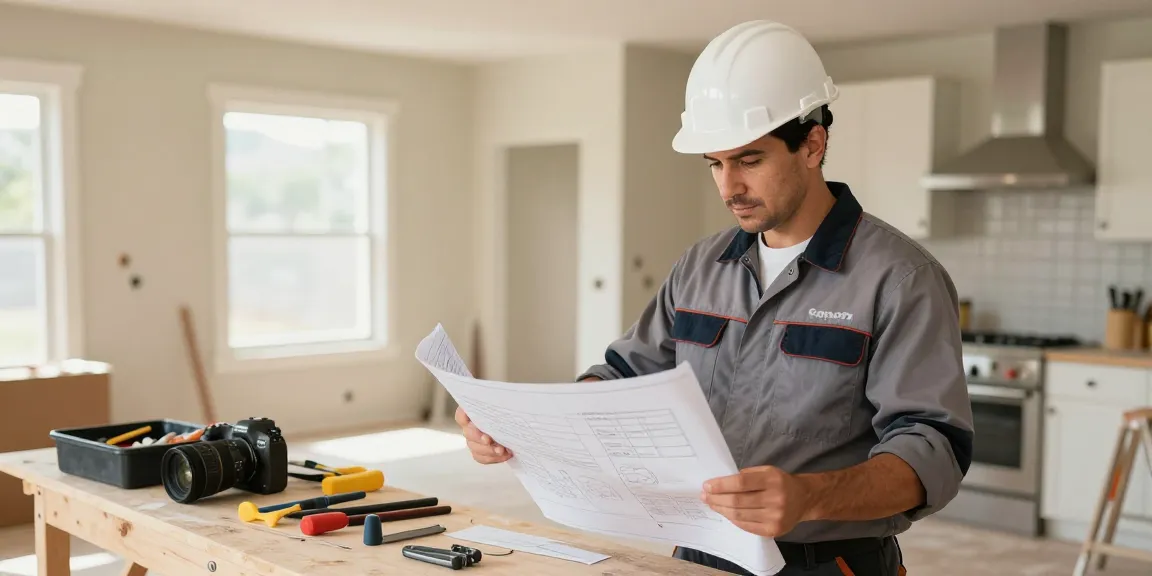
Before initiating the removal of spray foam insulation, a thorough assessment of the area is necessary. Look for signs of damage, moisture, and mold. Check for any structural issues that may have arisen due to the insulation. Document these findings as they may influence your removal strategy and any subsequent repairs needed.
Essential Tools & Safety Gear
To ensure a safe and effective spray foam removal process, certain tools and safety gear are required:
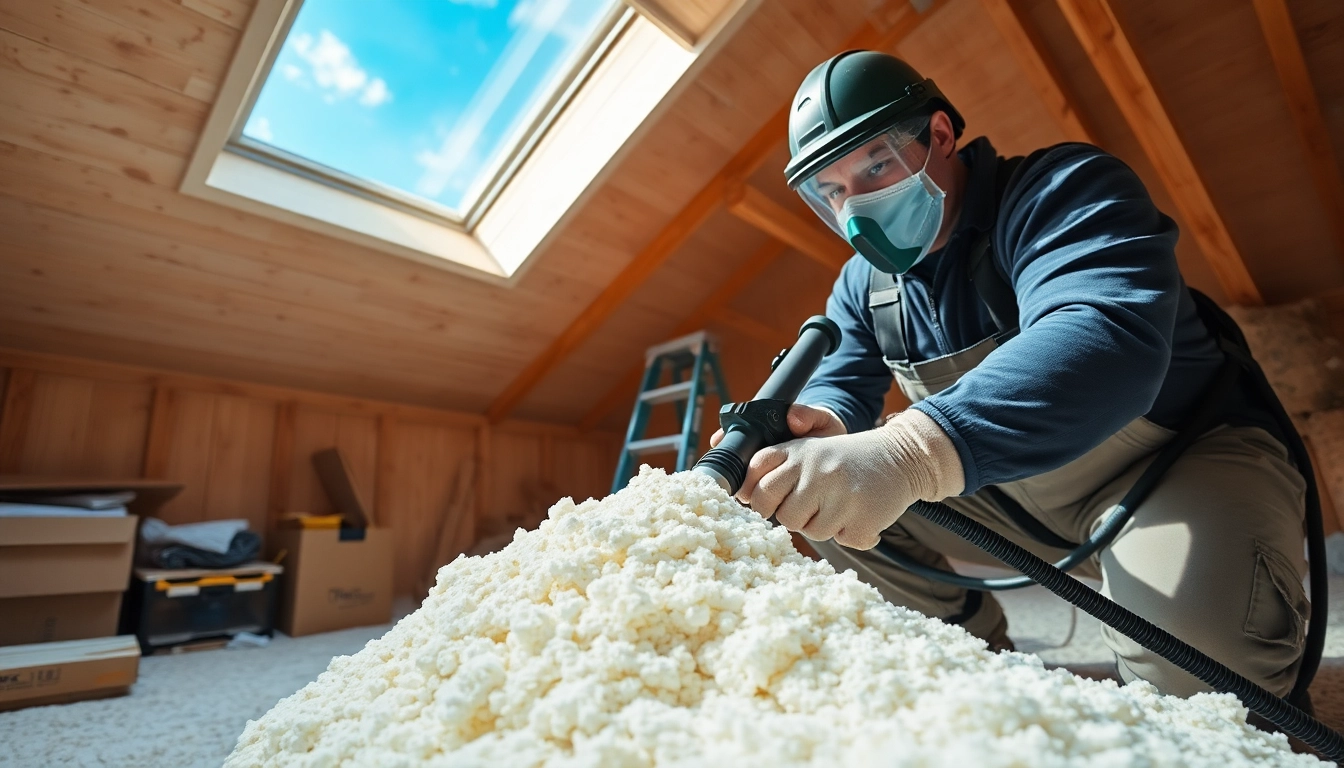
- Protective Gear: This includes gloves, safety goggles, and respiratory protection to safeguard against inhalation of dust and particles.
- Cutting Tools: Utility knives and saws are essential for cutting into the foam.
- Mechanical Tools: Heat guns and scrapers can assist in softened foam removal.
- Cleaning Materials: Rags and vacuums will help with cleanup.
Steps to Prepare for Removal
Preparation will set the tone for a successful removal. Follow these steps to prepare:
- Clear the Area: Remove furniture and cover floors to protect against dust.
- Examine Ventilation: Ensure good ventilation to reduce inhalation risks.
- Gather Tools: Have all necessary tools and safety gear on hand.
- Test Your Approach: Consider starting in a small area to determine the best removal method.
Techniques for Safe and Effective Removal
Identify the Right Method for Your Needs
Choosing the right method for spray foam removal will depend on the foam type and the surface area to which it’s applied. Common methods include manual removal, mechanical scraping, and heat-assisted removal. Understanding the properties of the foam and surrounding materials will guide your choice.
Using a Heat Gun vs. Mechanical Tools
Two popular methods for removing spray foam are heat guns and mechanical tools:
- Heat Gun: This method involves heating the foam until it becomes soft enough to scrape away. It’s effective for smaller areas but requires caution to prevent damage to surrounding materials.
- Mechanical Tools: Mechanical scrapers or grinders can quickly remove larger quantities of spray foam. While effective, they can produce dust and debris that requires cleanup and additional protective measures.
Best Practices for Surface Protection
Protecting the underlying surfaces during foam removal is crucial. Here are some best practices:
- Cover Surrounding Surfaces: Use drop cloths or plastic sheeting to shield floors and walls.
- Use Controlled Force: When scraping or cutting, apply gentle pressure to avoid damaging the substrate.
- Keep Tools Clean: Regularly clean tools to ensure effective and safe operation.
Post-Removal Considerations
Inspecting the Area After Removal
Once the spray foam is removed, conduct a thorough inspection of the area. Look for any residual foam, moisture damage, or structural integrity issues that may need addressing. This inspection will determine the next steps, including repairs or replacements.
Cleaning Up Residual Foam
Cleaning up any leftover foam is essential for maintaining a safe environment. Use the following methods for effective cleanup:
- Vacuuming: A shop vacuum can remove small particles and debris effectively.
- Solvent Use: Certain solvents can help dissolve any stubborn foam remnants, though test them first on inconspicuous areas.
- Dispose Properly: Follow local regulations for the disposal of foam materials.
Options for Insulation Replacement
After removal, consider the best insulation options for replacing spray foam. Some alternatives include:
- Fiberglass Insulation: Popular for its affordability and effectiveness.
- Cellulose Insulation: An eco-friendly option made from recycled paper.
- Mineral Wool: Offers excellent fire resistance and soundproofing properties.
Frequently Asked Questions
How long does spray foam removal take?
The duration varies by project scale but typically ranges from a few hours to a couple of days, depending on the foam type and area size.
What are the costs associated with spray foam removal London?
The costs can vary significantly based on the area, foam type, and removal method, generally ranging from several hundred to several thousand pounds.
Is it safe to remove spray foam myself?
While DIY removal is possible, it poses risks. Lack of proper equipment and expertise can lead to safety hazards or damage. Hiring professionals is often advised.
What environmental considerations should I keep in mind?
Consider using eco-friendly insulation materials as replacements. Ensure proper disposal of removed spray foam to minimize environmental impact.
How do I find qualified professionals for spray foam removal?
Seek reputable contractors by checking online reviews, professional certifications, and asking for quotes to find qualified specialists in spray foam removal London.