
Understanding Whole House Repiping Services Tampa
Whole house repiping is a crucial plumbing service that every homeowner should consider, especially if they are experiencing repeated plumbing issues. It involves replacing the entire plumbing system in a house with new pipes, ensuring reliable water flow, and preventing leaks and other potential catastrophes. Homeowners in Tampa Bay can benefit greatly from whole house repiping services Tampa, which can ultimately enhance their home’s value and functionality.
What is Whole House Repiping?
Whole house repiping refers to the process of replacing faulty or outdated water lines in a residential property with new piping, ensuring a safe and efficient plumbing system. This service tackles issues rooted in older homes where corrosion, rust, and overall degradation of the existing pipes can compromise water quality and pressure. It typically involves installing new pipes made from modern materials that last longer and resist various types of damage.
Signs You Need Repiping
- Reducing Water Pressure: If you notice a decline in water pressure, it may be an indication of blockages or leaks in your pipes.
- Frequent Leaks: Regular leaks can signal that your plumbing system is failing and recurring repairs may not be enough.
- Discolored Water: Brown or rusty water often indicates corroded pipes, which should be replaced promptly.
- Old Pipe Materials: Homes with galvanized steel pipes are particularly susceptible to corrosion and should be evaluated for repiping.
- Mold or Mildew: The presence of mold or mildew near plumbing installations can suggest leaks that require immediate attention.
Benefits of Whole House Repiping Services Tampa
Engaging in whole house repiping services provides numerous advantages:
- Improved Water Quality: New pipes prevent contamination and ensure that the water you consume is clean and safe.
- Higher Home Value: A modern plumbing system can increase the resale value of your home.
- Reduced Water Bills: Whole house repiping optimizes water flow, which can lead to significant savings on monthly bills.
- Enhanced Safety: Eliminating old, degraded pipes reduces the risk of leaks that can cause water damage or mold growth.
- Peace of Mind: Knowing your plumbing is up to date alleviates the stress of unexpected repairs.
Choosing the Right Materials for Repiping
Copper vs. PEX: A Comparative Analysis
When it comes to repiping, two materials are frequently considered: copper and PEX (cross-linked polyethylene). Copper has been a traditional favorite due to its durability, longevity, and resistance to bacteria. However, it is often more expensive and can corrode over time. PEX, on the other hand, is less costly, easier to install, and more flexible, allowing for easier navigation through walls and ceilings. Each option has unique advantages, making it essential to weigh them according to your specific needs and budget.
Durability and Cost Considerations
Both copper and PEX have their pros and cons. Copper pipes can last over 50 years if properly maintained but involve higher material and installation costs. PEX pipes, while less durable in extreme conditions, can still last between 20 to 40 years and are more economical to install. Therefore, both options can serve well under different circumstances, and the choice should align with your budget and house plumbing requirements.
Environmental Factors and Material Selection
When selecting materials for repiping, considerations of environmental impact are increasingly important. Copper is a natural mineral resource and is recyclable, making it a favorable option for eco-conscious homeowners. PEX is made from petroleum-based products, raising questions about its sustainability. However, PEX’s energy-efficient installation can be a contributing factor to its appeal. Evaluate your priorities regarding sustainability and make a choice that aligns with your values.
The Repiping Process Explained
Initial Assessment and Planning
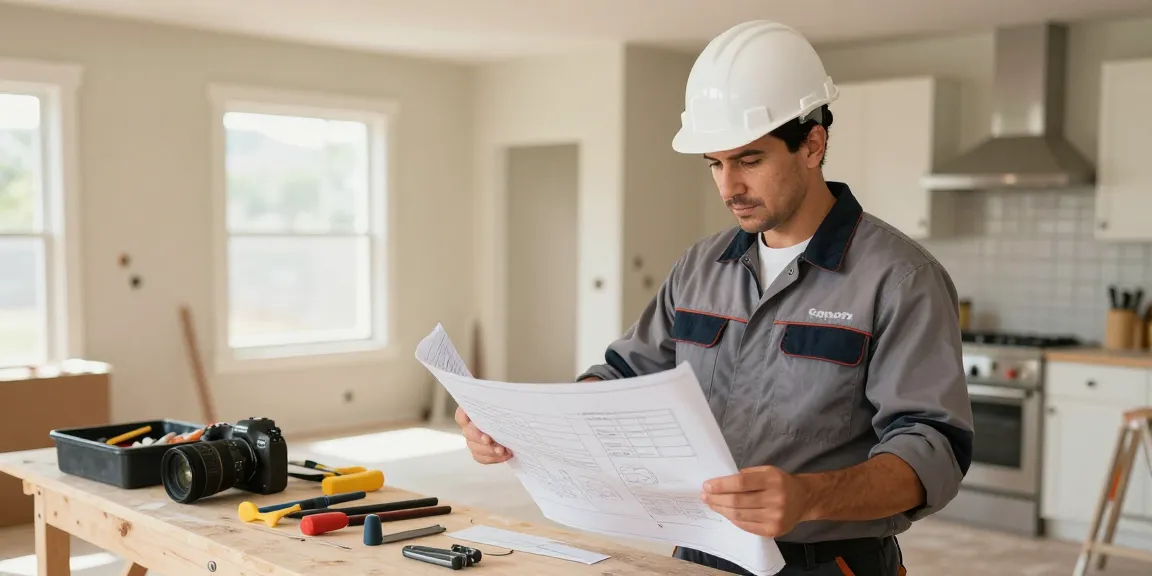
The first step in the repiping process is a comprehensive evaluation of your existing plumbing system. This includes identifying problem areas and assessing the overall condition of the pipes. Professional plumbers will discuss your needs, preferences, and budget during this initial consultation. A detailed plan is then developed, outlining the materials to be used, the timeline for the project, and the expected costs.
Implementation Steps
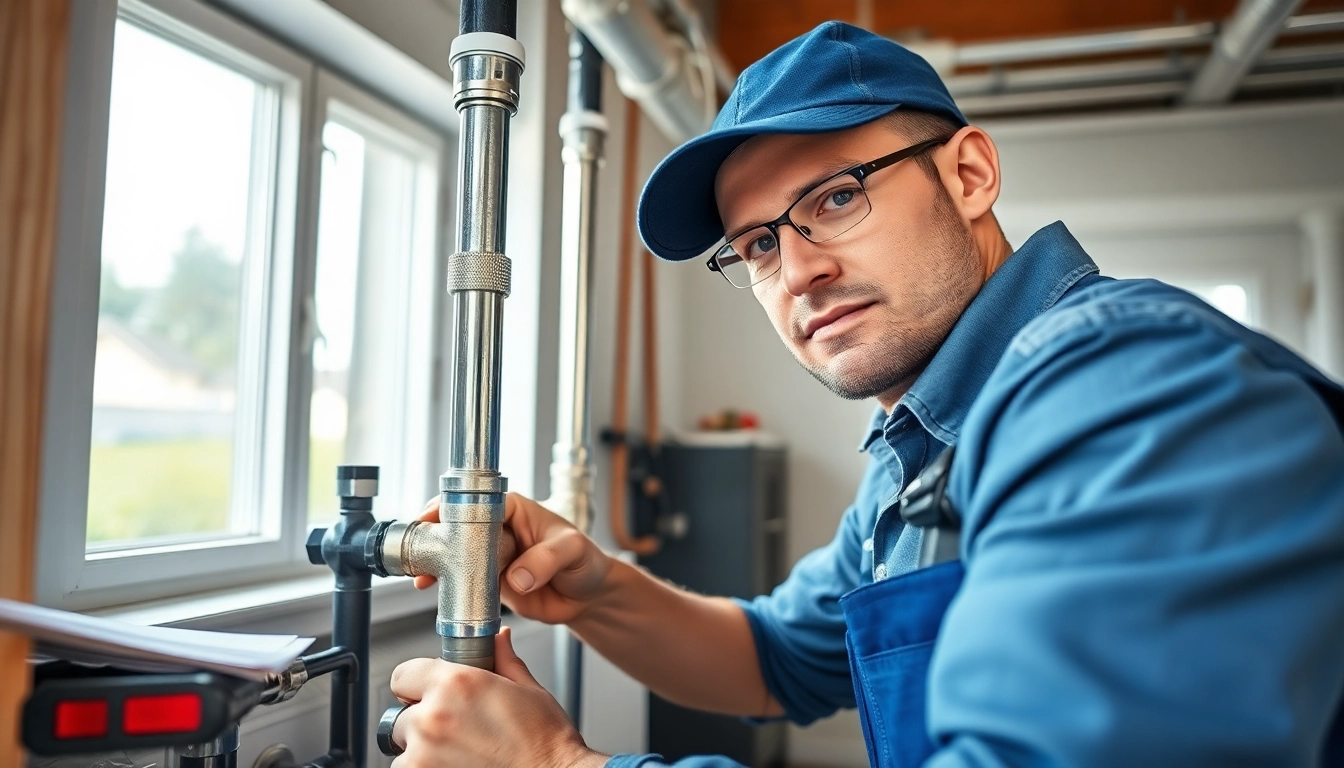
Once planning is complete, the actual repiping can begin. Typically, this starts with turning off the water supply to your home. The plumber will remove the old pipes and install new ones, which might involve cutting walls or floors for access. After installation, all connections are tested for any potential leaks before restoring the water supply. Special care is taken to minimize disruption to your home as much as possible.
Final Inspection and Testing
After the installation, a thorough inspection is conducted to ensure that the new plumbing meets all applicable codes and standards. plumbers will also perform water pressure tests to confirm optimal performance. Homeowners may inspect the finished work and ask any final questions regarding their new plumbing system. Follow-up inspections can be scheduled as necessary to ensure ongoing functionality.
Cost Estimates for Whole House Repiping Services Tampa
Factors Influencing Costs
The overall cost of repiping a home can vary significantly based on several factors, including the size of the home, the chosen materials, and the complexity of the job. Additional costs could include replacing any damaged walls or fixtures and installing new faucets or additional plumbing features. Understanding these factors will enable homeowners to develop a realistic budget for their repiping project.
Budgeting for Repiping Projects
When budgeting for a repiping project, homeowners should consider not only the upfront costs but also potential future savings from reduced water bills and maintenance costs. Setting aside additional funds for unexpected repairs or complications during the installation can help reduce stress during the process. It’s also wise to compare quotes from multiple plumbing services to ensure competitive pricing.
Payment Options and Financing
Many plumbing companies offer flexible payment options and financing plans to help homeowners manage the cost of repiping. Various lending institutions may also provide personal loans or home equity lines of credit specifically for home renovations. Carefully reviewing your options ensures you find a plan that fits your financial situation while meeting your plumbing needs.
FAQs About Whole House Repiping Services Tampa
How Long Does Repiping Take?
The duration of a repiping project can vary based on your home’s size and the complexity of the plumbing system. Typically, it takes between 2 to 5 days to complete the process.
Is Repiping Necessary for Older Homes?
Yes, older homes often have outdated plumbing materials that may be prone to leaks and corrosion. Repiping is necessary to ensure safety and efficiency.
Will I Need to Move Out During Repiping?
In most cases, you can remain in your home during repiping; however, some disruption may occur. Discussing the project timeline with your plumbing team is important.
What Are the Signs of a Leak?
Common leak signs include unexplained water bills, damp spots on walls or ceilings, mold growth, and a decrease in water pressure.
How Can I Maintain My New Plumbing System?
Regular maintenance includes checking for leaks, insulating pipes during colder months, and avoiding flushing inappropriate items down drains to keep your plumbing in top shape.