
Understanding EcoFlow Technology
What is EcoFlow?
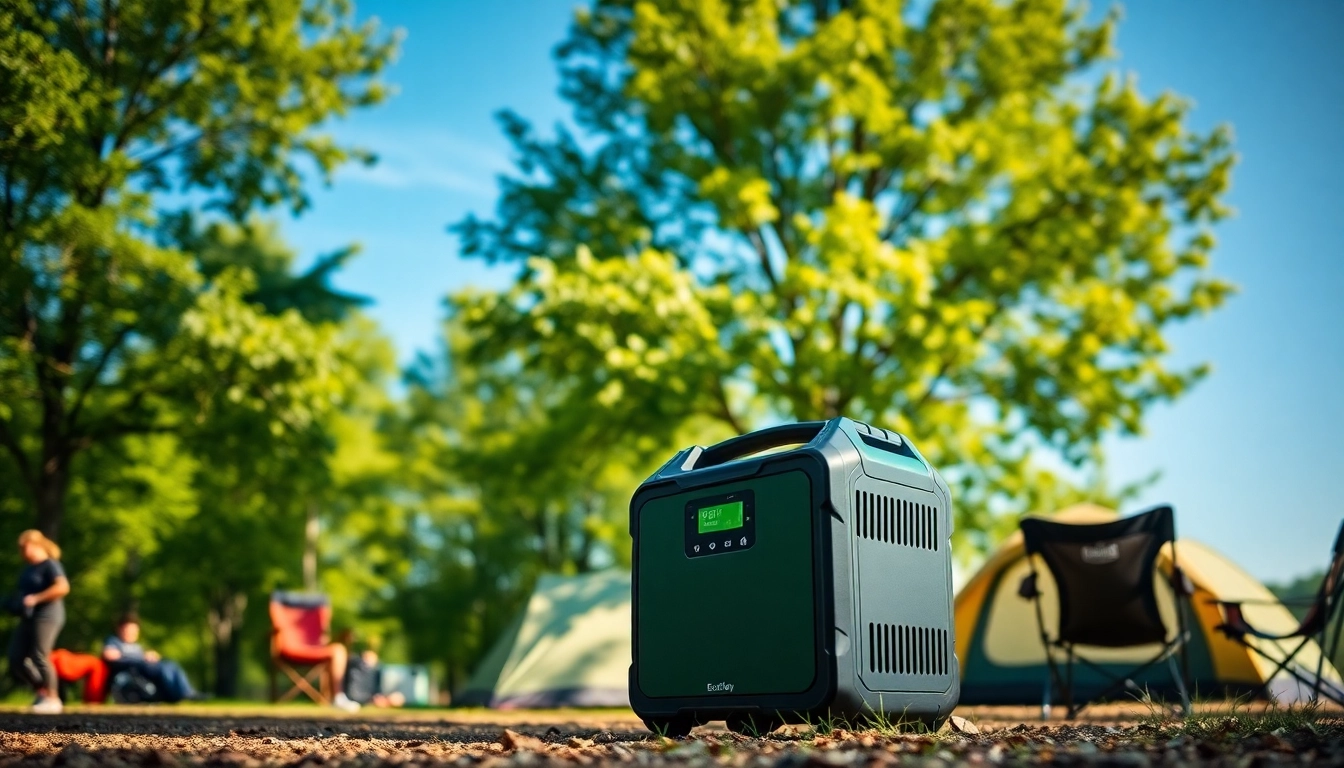
EcoFlow is at the forefront of portable energy solutions, offering innovative products designed to meet the power needs of consumers in an increasingly mobile world. Notable for its sleek design and pioneering technology, EcoFlow aims to provide accessible and renewable energy alternatives for both everyday use and emergency situations. The company’s product range includes portable power stations and solar panels that allow users to harness energy anywhere, whether they’re camping in the great outdoors or preparing for unforeseen outages. For those interested in exploring the full range of EcoFlow products, detailed specifications and purchasing options can be found on their official website, EcoFlow.
How EcoFlow Works
The core functionality of EcoFlow devices revolves around the advanced lithium battery technology utilized in its portable power stations. These devices convert and store energy, making it readily available for a variety of applications. EcoFlow power stations can be charged through several methods including wall outlets, car chargers, and solar panels, providing users with ultimate flexibility in energy sourcing.
Once charged, these power stations can deliver energy to multiple devices simultaneously through a combination of AC outlets, USB ports, and DC outputs. The smart battery management system within EcoFlow devices also ensures safety during use, protecting against overcharging, temperature fluctuations, and short circuits. This comprehensive battery management enhances both the efficacy and longevity of the units, making them reliable companions for any power need.
Benefits of Using EcoFlow
One of the primary advantages of EcoFlow products is their portability. Weighing significantly less than conventional generators, EcoFlow power stations are easy to carry, making them ideal for travel, outdoor activities, and emergency situations. Additionally, EcoFlow offers a quieter and cleaner alternative compared to gas-powered generators, making them more suitable for use in residential areas.
Another notable benefit is the rapid charging capability of EcoFlow devices. Using the X-Stream technology, EcoFlow can recharge from 0% to 80% in about an hour, granting users quick access to power when needed. Furthermore, the scalability feature of EcoFlow allows users to connect additional batteries or solar panels, making it possible to harness greater amounts of energy depending on specific needs.
Choosing the Right EcoFlow Model
Model Comparison
Choosing the right EcoFlow model depends on individual energy needs and intended use. EcoFlow offers several models ranging from compact options designed for light use, to larger units suitable for heavy-duty applications. For instance, the EcoFlow River series is perfect for mobile users, providing enough power for small devices like smartphones and laptops. On the other hand, the Delta series is tailored for more energy-intensive appliances like refrigerators and power tools.
Key differentiators among the models include total capacity, number of output ports, versatility in charging options, and the presence of advanced features such as app control and multiple device support. Users should carefully compare these specifications to select the model that best meets their power requirements.
Factors to Consider
When selecting an EcoFlow model, several factors should be taken into account:
- Power Requirements: Assessing the wattage needs of devices you plan to power with EcoFlow is crucial.
- Portability: Considering weight and size is essential if you plan to use the device in the field.
- Charging Options: Look for models that can be charged using your preferred method, whether through solar, AC, or car chargers.
- Expandability: If you foresee needing more power in the future, check if the model allows for adding extra batteries or solar panels.
User Reviews and Experiences
Feedback from users often highlights satisfaction with the performance and reliability of EcoFlow products. Many users appreciate the ease of setup and versatility of the units. Specific experiences indicate that users conducting outdoor events found the EcoFlow devices to be indispensable for keeping their gadgets charged and ready for use.
Additionally, some reviewers have noted the product’s eco-friendliness, endorsing it as a sustainable alternative to traditional power solutions. While most comments are overwhelmingly positive, some users have pointed out that the initial investment can be significant, but they view it as justifiable due to the long-term savings on fuel and maintenance.
Setting Up Your EcoFlow
Unboxing and Initial Setup
Setting up your EcoFlow device begins with unboxing the product, which usually comes with the main power station, a power adapter, and multiple cable options. The first step is to read the user manual thoroughly to understand safety guidelines and operational features.
Once unboxed, position the unit in a dry, cool location. Standard setup involves connecting the device to an AC outlet for charging. EcoFlow units typically come with an intuitive display that indicates battery status, input and output power, which eases the monitoring process.
Connecting to Solar Panels
EcoFlow power stations are designed to work seamlessly with solar panels. To connect a solar panel, ensure the unit is turned off, identify the solar input port, and plug in the panel. The EcoFlow device can usually begin charging immediately under appropriate sunlight conditions. It is recommended to use EcoFlow’s compatible solar panels to ensure optimal performance and safety.
For best results, place solar panels in a location that receives direct sunlight for most of the day. Additionally, ensure that the angle of the solar panels is adjusted to maximize exposure to sunlight, which can significantly enhance charging speed.
Charging Devices with EcoFlow
Charging devices with EcoFlow is straightforward. The integrated ports allow users to plug in smartphones, laptops, lights, and even kitchen appliances without any hassle. The smart management system allocates power based on the power needs of the devices plugged in, preventing overload and protecting sensitive equipment.
Users can monitor the remaining battery life on the unit’s display panel, and it’s advisable to keep track of total energy consumption to avoid unexpected shutdowns during critical usage windows.
Maximizing Your EcoFlow Experience
Energy Management Tips
To get the most out of your EcoFlow device, embrace energy management practices. First, prioritize charging and powering energy-efficient devices. Utilizing LED lights and minimizing the number of devices in use at any one time will significantly extend your EcoFlow’s operational duration.
Using the EcoFlow app, if available for your model, can also aid in monitoring energy consumption and optimizing performance. The app allows for remote access, enabling you to monitor battery status and adjust settings while you are away from the device.
EcoFlow Accessories
To enhance the functionality of your EcoFlow product, consider investing in additional accessories. Solar panels can amplify your energy independence, allowing for sustainable charging solutions. Furthermore, carrying cases protect your device during transport and general use.
Other compatible accessories such as extendable cables, DC car adapters, and multiple charging ports boost the versatility of your EcoFlow setup. Investing in quality accessories can drastically improve your overall experience.
Safety and Maintenance
While EcoFlow products are designed with safety in mind, it’s essential to perform regular maintenance checks. Avoid exposing the device to extreme temperatures or moisture to prolong battery life. Keep the inputs and outputs clean to ensure efficient energy transfer.
It’s also advisable to update the firmware regularly, as manufacturers often release updates that can improve performance or safety features. Following best practices for storage, such as ensuring the unit is charged to 50% if not used for extended periods, will also significantly enhance the longevity of your EcoFlow device.
FAQs about EcoFlow
What can EcoFlow power?
EcoFlow can power a wide range of devices, including smartphones, laptops, small appliances, and even medical equipment, depending on the model’s output capacity.
How long does EcoFlow battery last?
The battery life of an EcoFlow device varies, but most units can provide several hours of energy depending on usage and connected devices.
Is EcoFlow waterproof?
EcoFlow devices are generally not waterproof; users should keep them dry and avoid exposure to rain or water splashes to prevent damage.
Can EcoFlow be used indoors?
Yes, EcoFlow devices can be safely used indoors, making them suitable for home setups and emergencies without causing noisy or harmful emissions.
How do I extend my EcoFlow’s lifespan?
To extend your EcoFlow’s lifespan, avoid overcharging, regularly update firmware, keep it clean, and store the device at a moderate charge level when not in use.