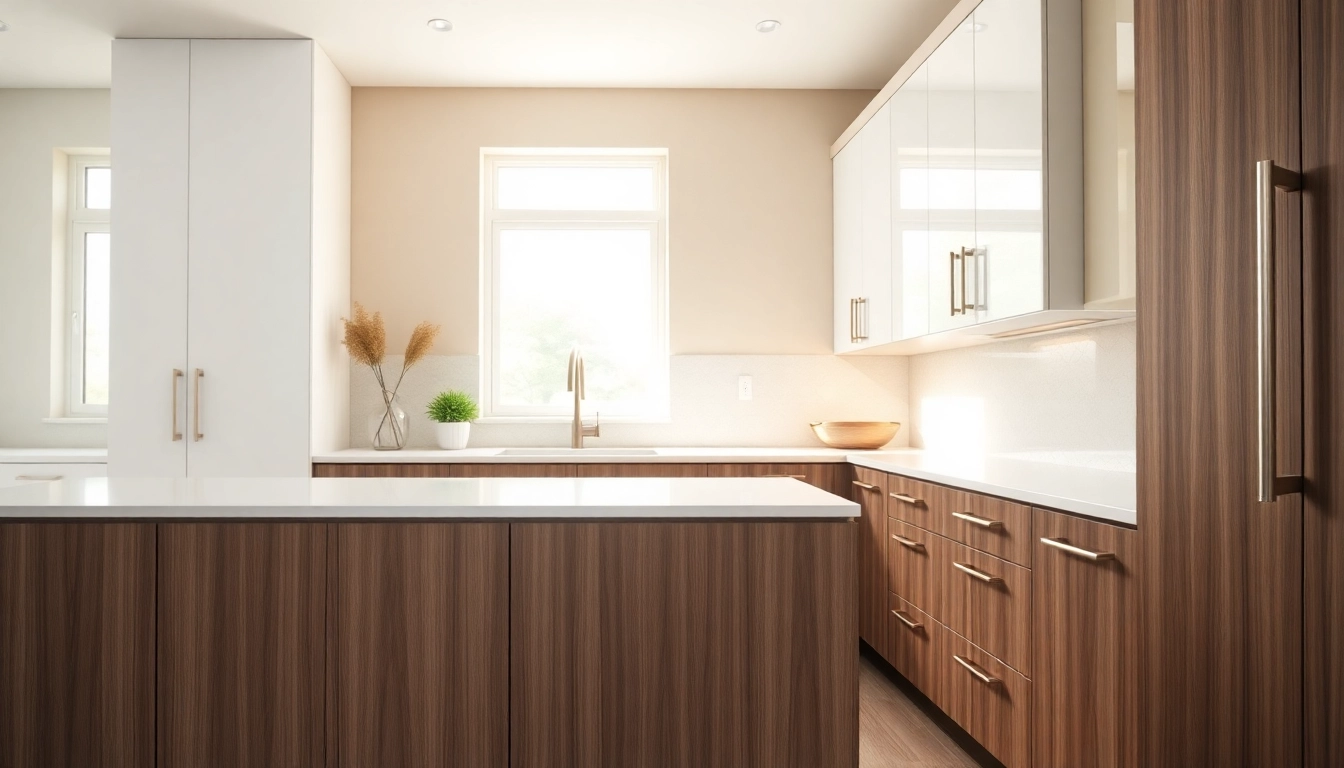

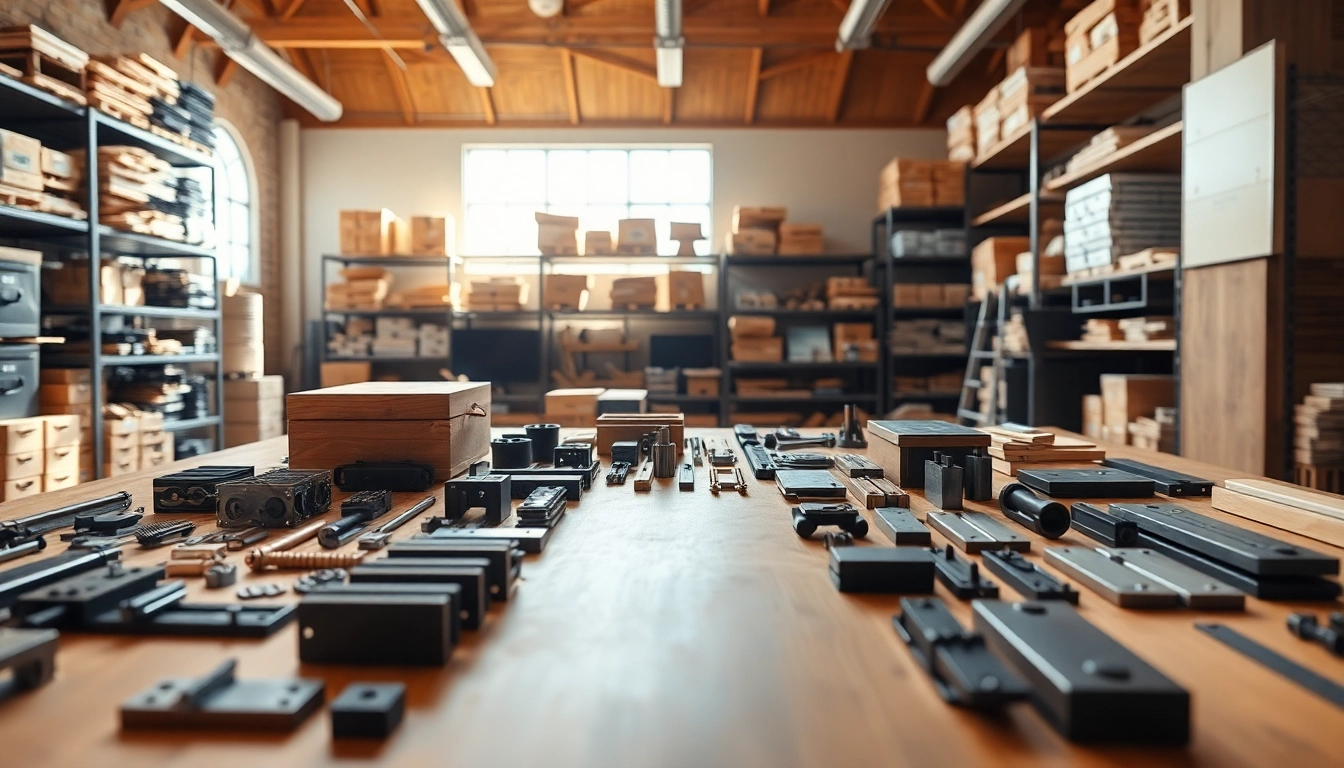
Understanding the Role of Furniture Hardware Manufacturers
In the intricate world of furniture manufacturing, the role of furniture hardware manufacturers is pivotal. They provide the essential components that fuse functionality with design integrity, ensuring furniture pieces are not only striking in appearance but also robust in execution. Understanding their contributions helps businesses and consumers make informed decisions about everything from design aesthetics to safety and durability standards.
What Do Furniture Hardware Manufacturers Do?
Furniture hardware manufacturers are responsible for producing a wide array of components necessary for assembling and maintaining furniture. This includes items such as hinges, drawer slides, handles, and locks. Each component varies in complexity and function, requiring manufacturers to utilize multiple production techniques, from machining to molding, to meet industry standards.
Importance of Quality in Hardware Manufacturing
The quality of hardware is paramount for several reasons. High-quality components enhance the longevity of furniture, which in turn improves customer satisfaction and reduces return rates. In an era where consumers are more discerning, furniture that employs superior hardware can stand out in the competitive market, providing a distinct advantage for manufacturers. Additionally, subpar hardware can compromise safety and functionality, leading to potential liabilities for manufacturers.
Key Trends Influencing the Industry
Several trends are currently shaping the furniture hardware manufacturing landscape. Firstly, there is a significant push towards sustainability, with an increasing demand for eco-friendly materials and manufacturing techniques. Secondly, the rise of smart furniture, which integrates technology into everyday pieces, is prompting manufacturers to innovate their hardware solutions. Lastly, customization is becoming more popular, as consumers seek personalized furniture items, driving manufacturers to offer bespoke hardware solutions.
Types of Hardware Offered by Furniture Hardware Manufacturers
Essential Hardware Components Explained
Essential hardware components form the backbone of furniture functionality. These include:
- Hinges: Critical for doors and lids, they come in various designs and materials to support both light and heavy applications.
- Drawer Slides: Integral to the seamless operation of drawers, these slides can be push-to-open or soft-close, enhancing user experience.
- Handles and Knobs: Beyond their functional role, they serve as essential design elements, contributing to the overall aesthetics of furniture.
- Locks: Providing security for storage cabinets and desks, locks vary widely in type, functionality, and complexity.
Innovations in Hardware Design
Innovation continues to be a driving force in hardware design. Manufacturers are adopting advanced materials such as carbon fiber and composite materials that offer enhanced strength without added weight. Additionally, the trend towards modular hardware designs allows for flexibility and ease of assembly, catering to diverse user needs and market demands. Finally, as technology advances, features such as integrated sensors and automated functions are increasingly being embedded into hardware solutions, transforming user interactions.
Custom Hardware Solutions for Unique Needs
As furniture design becomes more avant-garde, the need for custom hardware solutions is rising. Furniture hardware manufacturers are now more frequently collaborating with designers to create bespoke components that match specific themes or functional requirements. Customization not only satisfies consumer desires for unique pieces but also allows manufacturers to differentiate themselves in a saturated market.
Choosing the Right Furniture Hardware Manufacturer
Factors to Consider When Selecting a Manufacturer
Choosing the right manufacturer is crucial for ensuring the quality and viability of your furniture products. Key factors to consider include:
- Reputation: Research the manufacturer’s track record. Customer reviews, case studies, and testimonials can provide insight into their reliability.
- Production Capabilities: Ensure the manufacturer has the necessary technology and capacity to meet your volume and quality specifications.
- Certifications: Look for manufacturers who comply with industry standards and certifications which can be indicative of quality assurance.
Evaluating Manufacturer’s Reputation and Quality
To evaluate a manufacturer’s reputation, it’s essential to look beyond surface-level reviews. Engage with previous clients if possible, and ask about their experiences concerning quality control, lead times, and customer support. A manufacturer that communicates effectively and responds to challenges is likely a reliable partner.
Cost vs. Quality: Making the Right Choice
Balancing cost and quality is a common dilemma in procurement. While it may be tempting to choose the lowest bid, it’s crucial to assess the long-term impacts of that decision. Higher-quality hardware may have a steeper initial cost but can lead to lower maintenance costs, enhanced durability, and satisfied end consumers, ultimately influencing the product’s perceived value in the marketplace.
Best Practices for Working with Furniture Hardware Manufacturers
Effective Communication for Better Results
Effective communication with hardware manufacturers can dramatically improve project outcomes. Clear, concise exchanges regarding specifications, expectations, and timelines foster a collaborative atmosphere and help prevent misunderstandings. Establishing an open channel for feedback and questions can further enhance the partnership.
Setting Clear Expectations and Timelines
Prior to commencing any project, it’s essential to set clear expectations regarding quality standards, timelines, and deliverables. Create a partnership agreement that outlines these standards to avoid conflicts over ambiguous points later on. This clarity helps both parties operate efficiently and minimizes the potential for costly delays.
Building a Long-Lasting Partnership
A successful partnership with a manufacturer is built on trust, understanding, and continuous feedback. Regular check-ins can strengthen relations, providing opportunities to iron out any potential issues. Implementing a feedback loop that encourages open dialogue about performance, quality, and other concerns can lead to mutual growth and development.
Future Outlook for Furniture Hardware Manufacturers
Emerging Technologies in Hardware Manufacturing
The future of furniture hardware manufacturing is intertwined with emerging technologies. Advances in manufacturing techniques such as 3D printing promise to revolutionize how hardware components are made, facilitating rapid prototyping and customization. Additionally, automation and robotics are expected to enhance production processes, increasing efficiency and precision.
Shifts in Consumer Preferences and Market Needs
As consumers evolve, so too do their preferences and requirements from furniture hardware. Trends indicate a growing desire for multifunctional and space-saving solutions, with manufacturers being challenged to innovate accordingly. There is also a shift towards aesthetics that blend with modern technology, prompting businesses to adapt their designs to attract tech-savvy consumers.
Environmental Sustainability in Manufacturing
Environmental considerations are at the forefront of consumers’ minds today, urging manufacturers to adopt sustainable practices. Utilizing recyclable materials, implementing waste-reduction strategies, and energy-efficient manufacturing processes can not only reduce environmental impact but also endear brands to conscientious consumers.
FAQs
1. What materials are commonly used in furniture hardware?
Common materials include steel, aluminum, plastic, and brass, each chosen for its unique properties that suit different hardware applications.
2. How can I ensure the quality of furniture hardware?
Request samples, check certifications, and research the manufacturer’s reputation to assess quality before placing an order.
3. Is custom furniture hardware more expensive?
Custom furniture hardware typically incurs higher initial costs due to specialized manufacturing processes, but it can enhance the value and appeal of your products.
4. Can furniture hardware be repaired?
Many types of furniture hardware can be repaired, but it often depends on the damage. Replacement might be a more viable solution for severely compromised components.
5. How often should I replace furniture hardware?
While it varies based on usage, regularly inspecting furniture hardware for wear and tear is recommended, replacing components that show signs of deterioration to maintain functionality.