

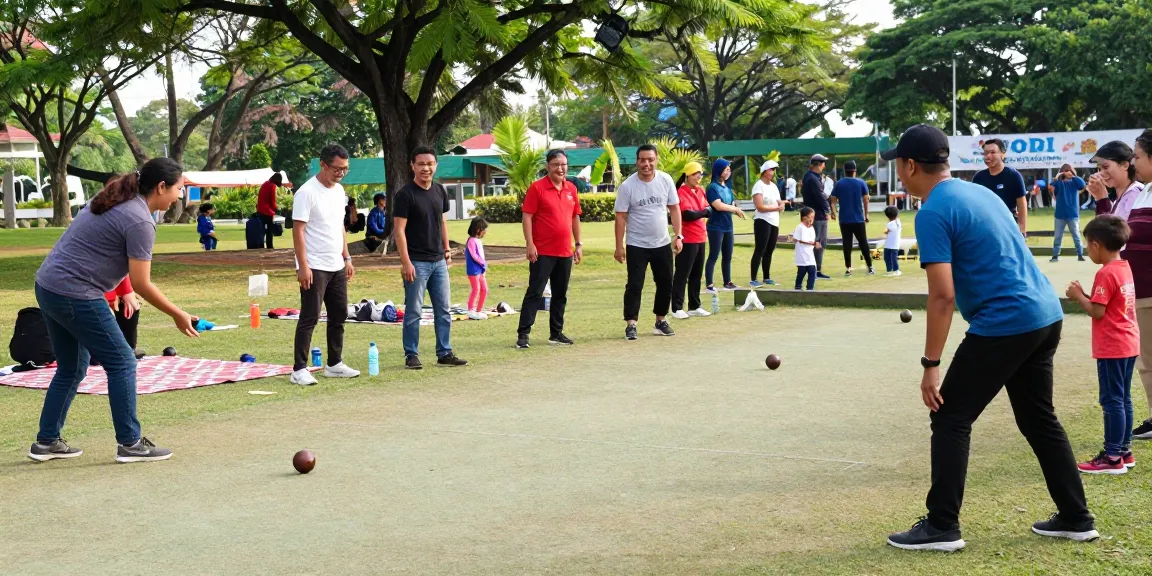
The Rise of Petanque in Indonesia
Petanque, a sport that originated in Provence, France, has gradually gained a foothold in Indonesia, particularly in regions like Kota Tarakan. This strategic embrace of a foreign sport reflects not just cultural exchange, but also the resilience and adaptability of Indonesian sports enthusiasts. As the popularity of petanque rises, it becomes increasingly important to explore its history, significant milestones, and the impact of national sporting events like the SEA Games on its status.
To navigate this evolving landscape, organizations like fopikotatarakan.org are pivotal, providing resources and support for players and coaches alike, ensuring that the spirit of petanque thrives within the local community.
History of Petanque in Indonesia
While the exact timeline of petanque’s introduction to Indonesia remains unclear, it is widely accepted that the sport was brought to the country by French expatriates during the late 20th century. Establishments such as the Novotel in Bali and Hotel Horizon in Ancol became informal hubs for expatriates, where petanque courts were constructed to facilitate this unique sport. Over the years, it transitioned from a pastime enjoyed by a few expatriates to an organized sport, with gradual recognition among Indonesian athletes and sports organizations.
One remarkable figure in the history of petanque in Indonesia is Eddie Lim, a Singaporean who encountered the sport in the 1990s at Ancol, Jakarta. His passion for petanque led him to introduce the game to his home country, Singapore, demonstrating the cross-cultural momentum that petanque has created in Southeast Asia.
Key Milestones in the Development of FOPI Kota Tarakan
The establishment of the Federasi Olahraga Petanque Indonesia (FOPI) in 2011 marked a significant turning point for the sport in the nation. Formed as a response to Indonesia hosting the SEA Games that year, FOPI aimed to cultivate and promote petanque at all levels—from grassroots to elite competitors. The organization has worked tirelessly to develop training programs, competitions, and community engagement initiatives, fostering a love for the sport in various regions, including Kota Tarakan.
Since its inception, FOPI Kota Tarakan has been at the forefront of these initiatives, providing structured training sessions and facilitating competitions that have allowed both amateurs and professionals to showcase their skills. Events organized by FOPI not only highlight local talent but also bring together diverse communities, reinforcing petanque’s role as a tool for social cohesion.
Impact of SEA Games on Petanque’s Popularity
The SEA Games has had a profound impact on the visibility and acceptance of petanque across Indonesia. When the country assumed the role of host in 2011, petanque was introduced as a competitive sport, showcasing Indonesian athletes alongside their regional counterparts. This event catalyzed interest from the public and potential players, drawing attention to the need for local leagues and events that could nurture newcomers to the sport.
The excitement generated during the SEA Games laid the groundwork for subsequent tournaments and regional competitions, further embedding petanque into the fabric of Indonesian sports culture. Today, it is no longer viewed merely as an expatriate pastime but increasingly as an integral part of the local sports scene.
Understanding FOPI Kota Tarakan
FOPI Kota Tarakan operates with a clear mission to develop, promote, and govern the sport of petanque in the region. The organization plays a crucial role in aligning local clubs with national standards set forth by FOPI Indonesia, ensuring consistency and quality in training and competition.
Mission and Vision of FOPI Kota Tarakan
The mission of FOPI Kota Tarakan is to facilitate the growth of petanque through comprehensive training programs, community outreach, and competitive opportunities. The organization envisions a vibrant petanque community that is accessible to all demographics, encouraging participation regardless of age or skill level. By advocating for inclusivity, FOPI aims to create a supportive environment where everyone can enjoy and thrive in the sport.
Structure and Governance of FOPI
FOPI Kota Tarakan is structured to ensure effective governance and engagement with its members. Comprising a council of elected officials, including a president, secretary, and treasurer, the organization operates transparently to uphold its commitments to players and stakeholders. Regular meetings are held to assess progress, identify challenges, and strategize for future initiatives. Such organization fosters trust and active participation within the local petanque community.
Key Initiatives and Programs
- Training Camps: FOPI Kota Tarakan organizes regular training camps that cater to beginners and experienced players alike, facilitating skill development and fostering camaraderie.
- Community Tournaments: Local tournaments are hosted to encourage competition and showcase emerging talent, serving as a stepping stone for players aspiring to compete at higher levels.
- Schools Program: By introducing petanque in schools, FOPI aims to engage youth and promote physical activity, highlighting the sport as a fun and strategic game.
Benefits of Playing Petanque
Engaging in petanque offers numerous benefits, extending beyond the mere enjoyment of the game. It fosters physical health, mental well-being, and social connections, making it an excellent choice for various demographics.
Physical and Mental Health Benefits
Playing petanque provides an excellent form of exercise, enhancing coordination and balance while also promoting cardiovascular health. Regular participation contributes to improved fitness levels, which is vital for maintaining a healthy lifestyle. Additionally, the mental aspects of the game, such as strategy and concentration, help enhance cognitive function, making it a stimulating mental workout as well.
Social Engagement and Community Building
Petanque is inherently social, encouraging interaction among players. Whether played in friendly matches or organized competitions, the sport promotes community spirit and collaboration. Players of all ages come together, fostering friendships and connections that extend beyond the game itself.
Accessibility and Inclusivity in Sports
One of the key advantages of petanque is its accessibility. Unlike many sports that require extensive equipment or specific locations, petanque can be played in various settings with minimal resources. This makes it an appealing option for individuals interested in sports, regardless of their background or economic status. FOPI Kota Tarakan actively emphasizes inclusivity, ensuring that anyone interested can participate, thereby expanding the sport’s reach.
Challenges Facing Petanque in Tarakan
Despite its growth, petanque faces several challenges that limit its full potential in Kota Tarakan. Addressing these hurdles is essential for the sport’s continued expansion and the overall health of the local sporting community.
Lack of Awareness and Participation
While petanque is gaining popularity, there remains a significant gap in awareness among the general population. Many locals are unfamiliar with the rules, techniques, and enjoyment that petanque offers. This lack of awareness often leads to low participation rates, limiting the sport’s growth potential. Therefore, increased promotional efforts and community engagement are critical to raise awareness and draw more participants into the fold.
Resource Allocation and Funding Issues
Resource allocation is another significant challenge that FOPI faces. Adequate funding is necessary to support training programs, facility maintenance, and the organization of events. Without sufficient financial resources, FOPI’s ability to execute planned initiatives and broaden its outreach is severely hindered. Strategic partnerships with local businesses and sponsors can play a crucial role in overcoming this hurdle.
Competition from Other Sports
Petanque is not the only sport vying for attention in Indonesia. With a wide array of traditional and modern sports available, petanque must compete for both resources and players. To combat this, FOPI needs to continue emphasizing the unique aspects of petanque, such as its social nature and health benefits, to carve out a niche in the crowded sports landscape.
The Future of Petanque and FOPI Kota Tarakan
Looking ahead, the future of petanque in Kota Tarakan appears promising, with significant potential for growth and community impact. Strategic planning and adaptive initiatives will be key to ensuring sustainability and engagement.
Strategic Plans for 2026 and Beyond
FOPI Kota Tarakan is focusing on several strategic initiatives for 2026 and beyond, including expanding outreach programs, enhancing competitive opportunities, and building community partnerships. By tapping into local resources and leveraging existing sports facilities, FOPI aims to create a robust framework that fosters both participation and excellence in petanque.
Leveraging Technology for Engagement
As technology continues to shape the sporting world, FOPI is committed to incorporating digital tools to enhance engagement. Implementing mobile apps for training tips, event registration, and community forums can foster an interactive environment, encouraging users to stay connected and informed. This innovative approach will be instrumental in attracting younger audiences while maintaining the interest of established players.
Emerging Trends in Petanque Sports
The future of petanque in Indonesia is likely to align with global trends in sports, emphasizing inclusivity, environmental sustainability, and health consciousness. By promoting eco-friendly practices in organizing tournaments and encouraging a healthier lifestyle through petanque, FOPI Kota Tarakan can position itself at the forefront of a modern sporting movement.
In conclusion, the journey of petanque in Indonesia, particularly in Kota Tarakan, is a testament to the power of community and resilience. With organizations like FOPI guiding the way, the sport is set to flourish in the coming years, providing countless opportunities for players of all backgrounds. Investing in the future of petanque will undoubtedly enrich the sporting culture of Kota Tarakan and beyond.