

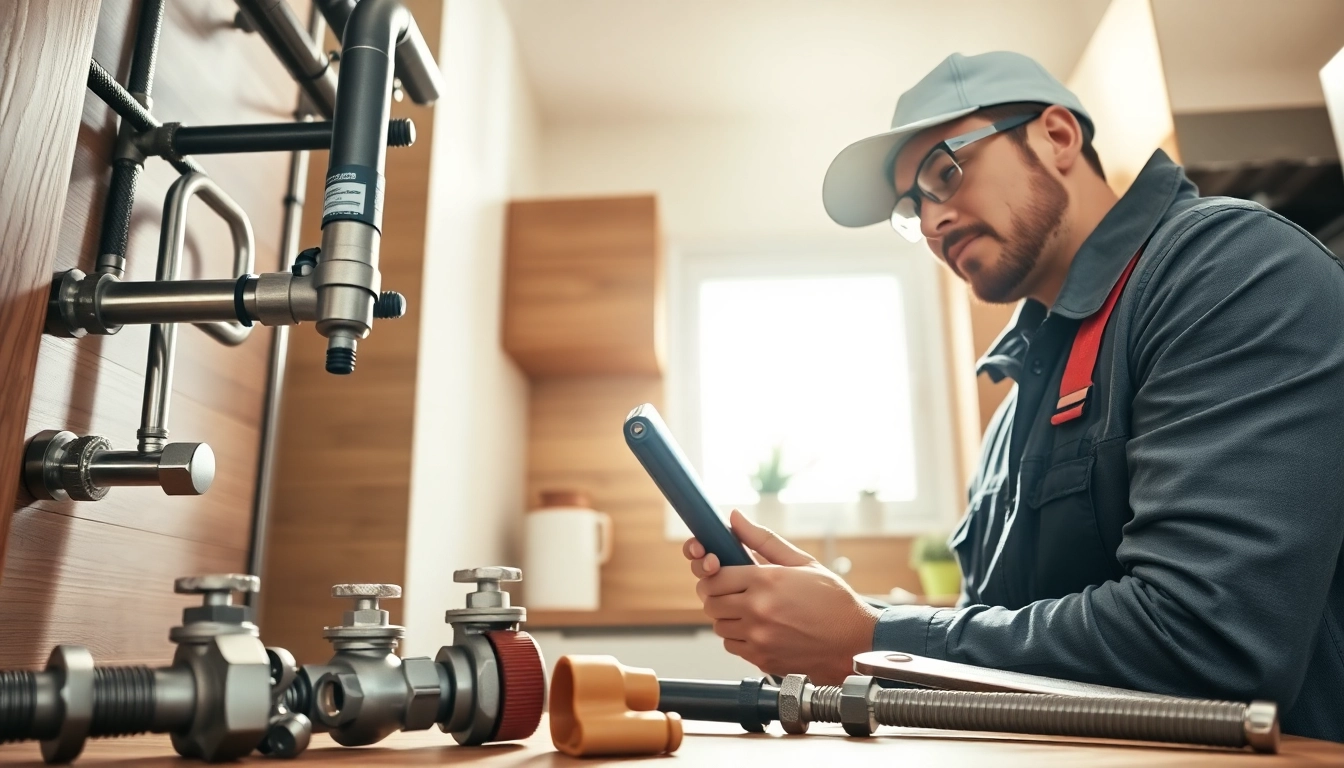
Understanding the Importance of Hiring a Plumber Near Me
Finding the right plumbing service is essential for maintaining the functionality and safety of your home. When pipes leak, drains clog, or toilets malfunction, quick access to an expert is critical. This is why searching for a Plumber near me can save you time, money, and stress. Local plumbers offer not just their expertise, but also a deep understanding of regional plumbing codes, materials, and climate challenges.
Why Local Expertise Matters
Hiring a local plumber means you are getting someone familiar with the specific plumbing regulations and building codes of your area. Each community has unique codes and standards developed to ensure the safety and efficiency of plumbing systems. Furthermore, local plumbers are aware of common plumbing problems that may arise in your area due to specific climatic conditions, which can lead to preventative measures that a non-local would not consider.
In addition, choosing a local service fosters community relationships. Supporting local businesses contributes to the economy and allows for the quick response times you need when a plumbing emergency arises. Local plumbers often build a reputation through word-of-mouth referrals, and they strive to maintain high-quality service to keep that reputation intact.
When to Call a Plumber?
It’s crucial to know when to involve a professional plumber. Here are common scenarios that warrant calling in an expert:
- Persistent Leaks: If you notice water pooling or significant dampness, this may signify a deeper issue.
- Clogging Issues: If minor clogs become recurring or lead to backups, professional intervention is often necessary.
- Low Water Pressure: This can point to leaks or blockages in your pipes that need addressing.
- Overflowing Toilets: Avoid DIY fixes in this case to prevent further damage or mess.
- Changing Fixtures: Installation or major changes to plumbing systems often require expert help.
Common Plumbing Issues to Address
Understanding the types of issues common to residential plumbing will better prepare you for identifying when it’s time to call a plumber. Here are a few of the most frequent problems:
- Leaky Faucets: Often a result of worn-out washers or gaskets, this issue can waste a significant amount of water.
- Clogged Drains: Typically caused by hair, food waste, or grease buildup, clogs can lead to serious plumbing issues.
- Running Toilets: This could indicate a faulty flapper, valve, or float, leading to excessive water wastage.
- Water Heater Problems: Issues with noise, inconsistent temperatures, or leaks may require professional diagnostics.
What to Look for in a Plumber Near Me
Finding a trustworthy plumber involves thorough research and consideration of several factors. Not everyone in the field carries the same level of skill or credibility.
Checking Qualifications and Reviews
Start by verifying the plumber’s credentials. Ensure they have the necessary licenses and insurance, protecting both you and the plumber in case of an accident or issue. Also, look for online reviews and testimonials. Websites like Yelp, HomeAdvisor, or Google My Business can provide detailed customer feedback. Positive reviews can assure you of reliable service, while negative reviews can yield warnings that may help you avoid potential problems.
Assessing Experience and Services Offered
Experience often correlates with competence. Inquire about how long the plumber has been in business and what specific services they provide. Some companies may specialize in residential plumbing while others may focus on commercial projects. Ensure the plumber has the depth of experience required for your specific plumbing needs. Consider asking about similar cases they’ve handled in your area to understand their capabilities better.
Understanding Pricing Structures
It’s crucial to understand how a plumber charges for service. Many professionals use a flat-rate pricing model for common issues, which can help you know what to expect. However, some may charge hourly rates plus materials. Get estimates from multiple plumbers to gauge the average cost for your repair; this will also help you identify any unusually high or low quotes that may indicate a problem.
DIY vs. Professional Plumbing Services
Many homeowners often wrestle with the decision of whether to tackle plumbing issues themselves or to hire a professional. Understanding the nuances of when to DIY and when to call can save you time and costly repairs.
Situations Suitable for DIY Fixes
Small plumbing tasks can often be handled by homeowners without professional help. These might include:
- Changing a Faucet: Replacing a worn-out faucet can save money and is usually a straightforward task.
- Unclogging Drains: Over-the-counter drain cleaners can effectively address minor clogs caused by hair or soap scum.
- Fixing Minor Leaks: Using plumber’s tape or replacing washers can stop minor leaks in faucets and showerheads.
- Installing a New Showerhead: A simple swap can enhance your shower experience without the need for a pro.
Benefits of Professional Plumbing Services
While DIY fixes can seem appealing, professional plumbers offer considerable benefits, such as:
- Expert Diagnosis: They quickly identify issues that may not be apparent to those without technical training.
- Guaranteed Work: Many licensed plumbers back their work with warranties, giving you peace of mind.
- Safety: They adeptly handle tasks that may otherwise pose personal risk, such as gas line repairs.
- Time Savings: Pros can often complete projects more efficiently than homeowners, minimizing disruption to your daily routine.
Potential Risks of DIY Plumbing
Diving into plumbing without adequate knowledge or experience can lead to various complications, including:
- Costly Mistakes: A simple error can escalate into a significant issue, leading to expensive repairs.
- Injury Risks: Intervening with plumbing systems often involves sharp tools and heavy fixtures that can cause injury.
- Legal Regulations: Attempting major plumbing work without a license and knowledge of codes can lead to fines or additional issues down the line.
- Time Loss: A seemingly simple problem can consume plenty of time if encountered issues or lack of expertise ensues.
Preparing for a Plumber’s Visit
When you decide to hire a plumber, being prepared can greatly enhance the efficiency of the repair process. Here are some steps to follow:
Gathering Relevant Information
Before the plumber arrives, compile all necessary information. This includes knowing the history of the plumbing issue, previous repairs, and the age of your plumbing system. If possible, take photographs of the problem area to share with the plumber. This information helps the plumber understand the scope of the job before they even step foot in your home.
Clearing the Work Area
Make the plumber’s job easier by ensuring that the work area is free from obstructions. Move furniture, appliances, and personal items out of the way. This not only speeds up the process but also protects your belongings from potential damage during repairs.
What Questions to Ask Your Plumber
Having a list of questions ready ensures that you gather all necessary information during your consultation. Here are some helpful questions to consider:
- What is the scope of the repair, and will you provide a written estimate?
- How long do you anticipate the repair will take?
- What are your payment terms and accepted methods?
- Will you also perform a follow-up visit after repairs are completed?
- Are you licensed and insured? Can I see proof?
Frequently Asked Questions About Plumbing Services
How do I find a reliable plumber near me?
Start by asking for referrals from friends and family. Online reviews can also provide insight, while checking licenses and qualifications helps ensure credibility.
What should I expect during a plumbing consultation?
Expect the plumber to assess your plumbing issue, ask questions, provide a written estimate, and explain the repair process along with potential alternatives.
How often should plumbing systems be checked?
It’s wise to schedule a professional check-up at least once a year to catch potential issues and ensure everything operates efficiently.
Can I avoid calling a plumber for minor issues?
In some cases, like small leaks or clogged drains, minor fixes can be handled independently. However, persistent issues should be addressed by a professional.
How can I prevent plumbing emergencies?
Regular maintenance checks, prompt repairs of minor issues, and practicing safe disposal habits (like not flushing non-degradable items) can help prevent emergencies.