

- The Role of a New Jersey General Contractor
- Finding the Right New Jersey General Contractor
- Common Challenges Faced by New Jersey General Contractors
- Best Practices for Hiring a New Jersey General Contractor
- Evaluating Project Success with Your New Jersey General Contractor
- FAQs about Hiring a New Jersey General Contractor
The Role of a New Jersey General Contractor
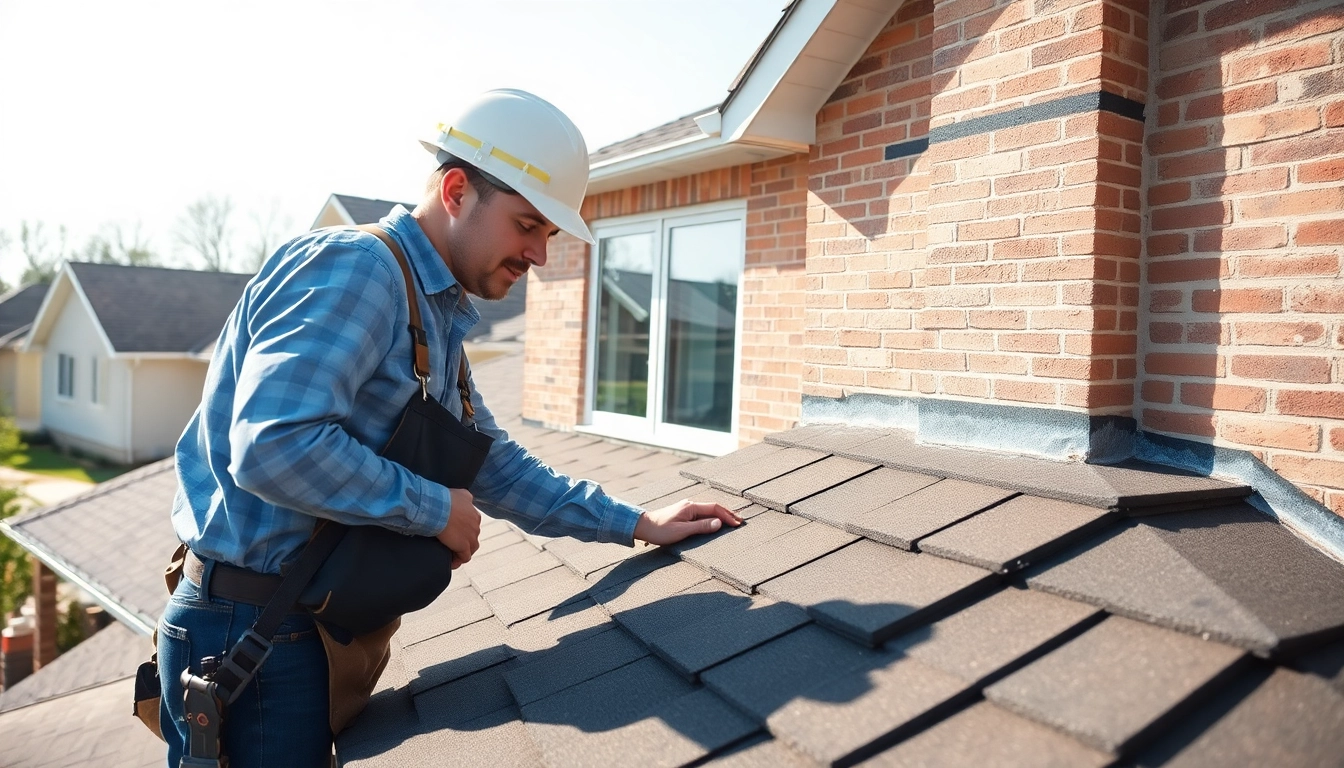
General contractors play a crucial role in the construction and renovation industry, especially in a bustling marketplace like New Jersey. Their responsibilities extend beyond mere oversight; they serve as the backbone of any construction project, ensuring that everything runs smoothly from start to finish. Hiring a New Jersey General Contractor can simplify your project and ensure compliance with local building codes and regulations.
Understanding Responsibilities
At the heart of a general contractor’s role is project management. This encompasses various responsibilities:
- Project Planning: Crafting a detailed project timeline and scope of work.
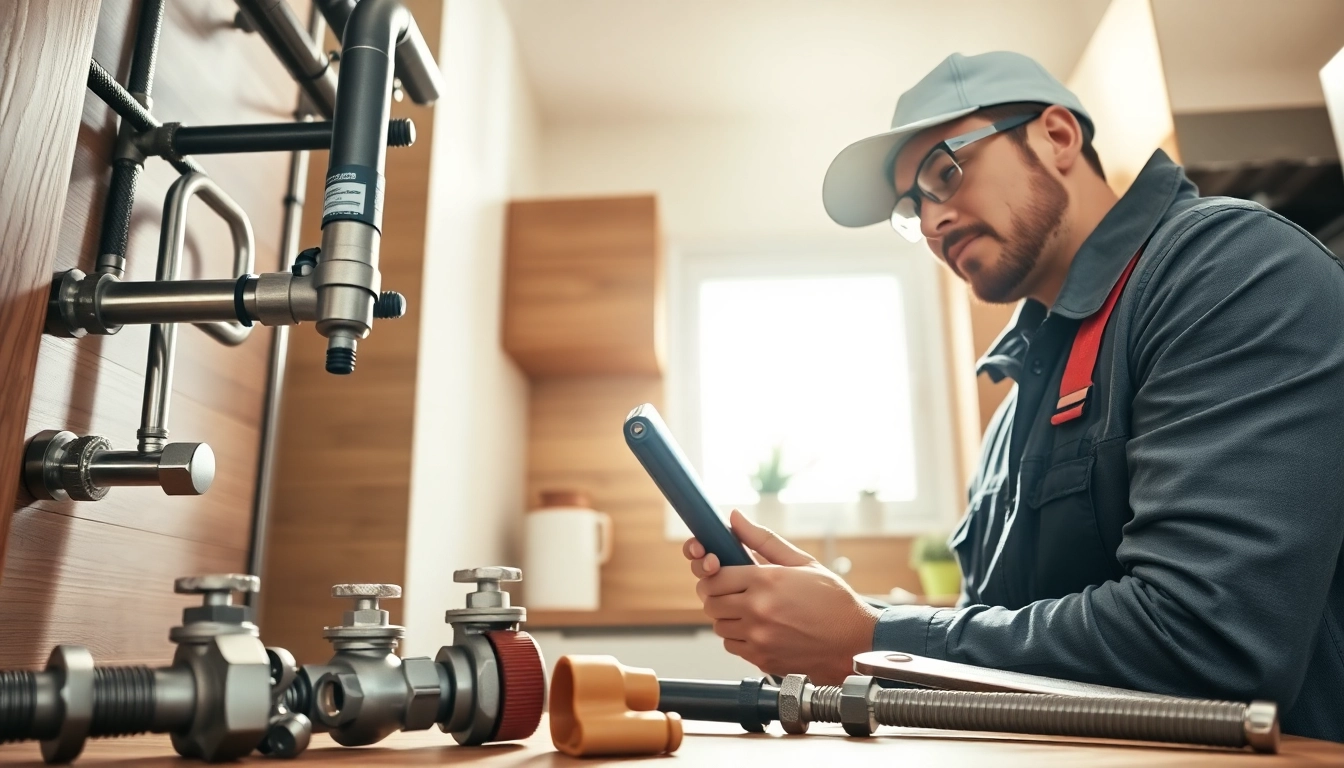
- Hiring Subcontractors: Sourcing skilled tradespeople for specialized tasks, such as electricians, plumbers, and carpenters.
- Budget Management: Keeping a close eye on expenditures and ensuring the project stays within budget.
- Quality Control: Implementing standards to ensure that the quality of work meets or exceeds expectations.
- Permitting and Inspections: Navigating the complex permit application process and coordinating necessary inspections.
Key Skills Needed
A successful general contractor in New Jersey must possess a diverse skill set that includes the following:
- Project Management Skills: Ability to organize tasks, manage timelines, and allocate resources efficiently.
- Communication: Strong verbal and written skills to liaise with clients, subcontractors, and suppliers.
- Problem-Solving Abilities: Quick decision-making skills to address issues as they arise on-site.
- Financial Acumen: Understanding of budgeting and financial forecasting to manage project costs effectively.
- Technical Knowledge: Familiarity with construction methods and materials, as well as local building codes.
Benefits of Hiring a General Contractor
Engaging a New Jersey general contractor offers numerous advantages for any construction or renovation project:
- Expertise: Access to industry expertise that can guide project decisions and ensure compliance with state regulations.
- Time Savings: Efficient project management that can significantly reduce construction timelines.
- Cost Efficiency: Ability to negotiate better rates with subcontractors and vendors, minimizing overall costs.
- Quality Assurance: Oversight that ensures high-quality workmanship and materials are utilized throughout the project.
- Stress Reduction: Lessening the burden on homeowners by managing all aspects of the project.
Finding the Right New Jersey General Contractor
Research Strategies
Finding the right general contractor is critical to the success of your project. Here are some effective strategies:
- Online Reviews: Utilize platforms like Yelp and Google Reviews to gauge contractor reputations.
- Referrals: Seek recommendations from friends, family, or real estate professionals.
- Trade Associations: Check with organizations like the Associated General Contractors of America (AGC) for qualified members.
- Social Media: Utilize platforms like LinkedIn to research potential contractors’ backgrounds and experience.
Interviewing Potential Candidates
Once you have a shortlist of candidates, conducting thorough interviews can provide insight into each contractor’s capabilities:
- Ask About Experience: Inquire about their past projects, particularly those similar in scope to yours.
- Discuss Timelines: Understand their availability and typical project completion timeframes.
- Explore Communication: Assess their communication style and responsiveness.
- Request Examples: Ask for examples of previous work, including photographs and references.
Checking Credentials and References
It’s essential to verify the qualifications of any contractor you consider:
- Licensing: Ensure they hold the appropriate licenses required by the state of New Jersey.
- Insurance: Confirm they have liability insurance and workers’ compensation coverage.
- References: Contact previous clients to learn about their experiences and satisfaction levels.
- Background checks: Look into any past legal issues or complaints filed against the contractor.
Common Challenges Faced by New Jersey General Contractors
Weather-Related Delays
New Jersey’s diverse climate can lead to project delays. Rain, snow, and extreme temperatures can affect outdoor work schedules:
General contractors often need to build time buffers into their projects to account for potential weather disruptions. Effective communication with clients about these factors is crucial to set realistic expectations.
Budgeting and Financial Management
Keeping projects within budget can be challenging due to unforeseen circumstances or fluctuating material costs. General contractors must track expenses closely and adjust budgets proactively:
Implementing regular financial reporting can help manage this aspect effectively, allowing for adjustments as needed throughout the project lifecycle.
Client Communication and Expectations
Aligning with clients on project goals and expectations can be challenging. Miscommunication may lead to dissatisfaction or disputes:
Establishing a communication plan that includes regular updates, meetings, and feedback loops can help mitigate misunderstandings, ensuring both parties remain informed and satisfied.
Best Practices for Hiring a New Jersey General Contractor
Setting Clear Project Goals
Clearly defined project goals provide direction and benchmarks for success. Establish achievable timelines, budgets, and performance metrics at the outset:
This clarity not only aids the contractor but also helps clients understand what to expect throughout the project’s duration.
Creating a Detailed Contract
A comprehensive contract is essential for establishing mutual understanding between the contractor and client:
This contract should outline the scope of work, responsibilities, timelines, budget estimates, and payment schedules. A detailed agreement reduces risks and enhances accountability on both sides.
Maintaining Open Lines of Communication
Effective communication is pivotal to project success. Having regular check-ins helps ensure that everyone is on the same page:
Deploying tools like project management software can facilitate ongoing communication, improve transparency, and enable timely updates on project status.
Evaluating Project Success with Your New Jersey General Contractor
Using Performance Metrics
Assessing the success of a project can be facilitated by specific metrics:
- Budget Adherence: Comparing projected versus actual costs can reveal financial performance.
- Timeline Compliance: Reviewing if the project adhered to its timeline is essential for evaluating performance.
- Quality Standards: Inspecting work against pre-established quality benchmarks can measure success.
Client Satisfaction Surveys
Gathering feedback from clients upon project completion can provide insights into their satisfaction and the project’s quality:
Utilizing surveys not only measures success but can also identify areas for improvement in future projects.
Post-Project Reviews and Feedback
Conducting a detailed review at the end of a project can yield lessons learned and best practices for future endeavors:
Engaging all stakeholders in this review fosters a culture of continuous improvement and enhances relationships moving forward.
FAQs about Hiring a New Jersey General Contractor
What should I look for in a general contractor?
Look for experience, positive reviews, proper licensing, insurance, clear communication skills, and a solid understanding of your project scope.
How much does it cost to hire a general contractor in New Jersey?
Costs vary based on project size and complexity, but typically range from 10% to 20% of the total project costs, as contractor fees.
Do I need a permit for my project?
Most construction projects require permits, especially for major renovations or additions. Your contractor can guide you through this process.
How long will my project take?
Project duration depends on factors like scope, weather conditions, and the contractor’s current workload. Discuss timelines during initial consultations.
Can a contractor help with design aspects?
Many general contractors offer design services or partner with designers. Discuss your needs when selecting a contractor to ensure alignment.