

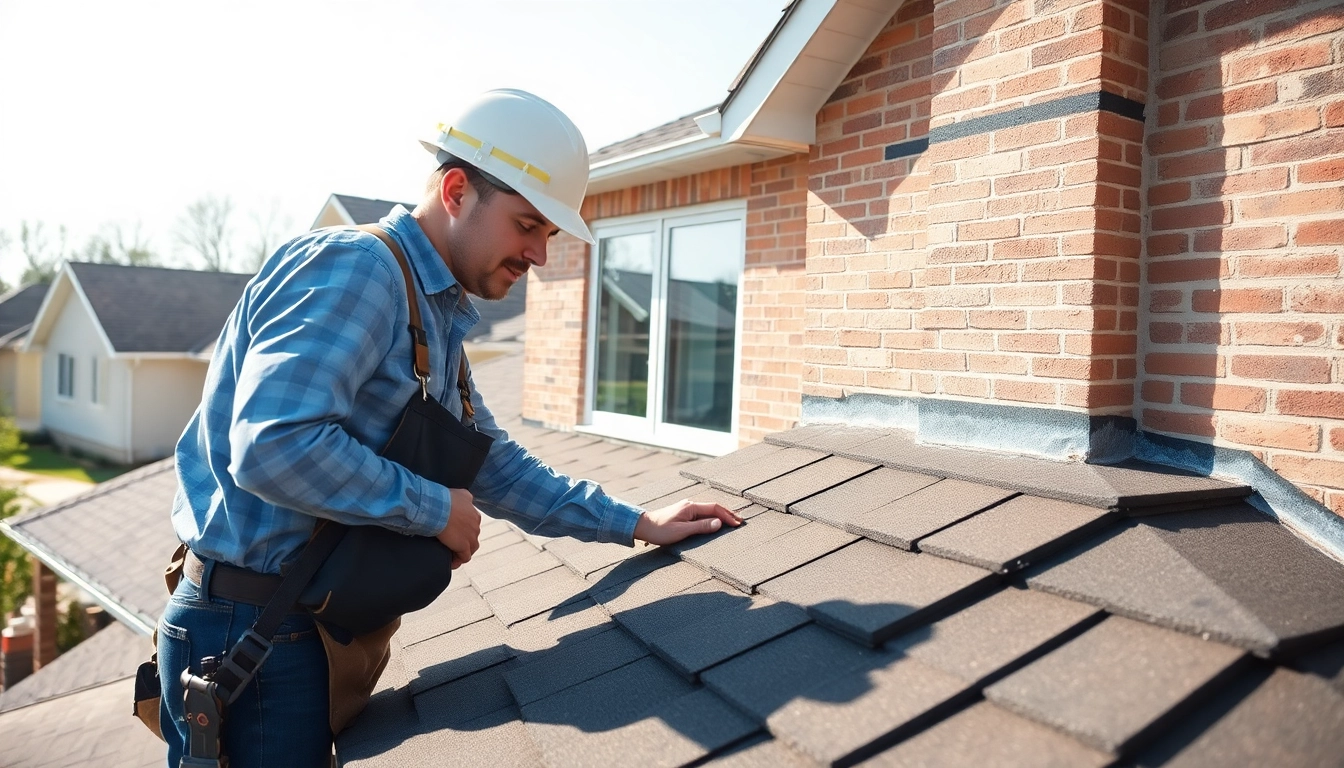
Understanding the Role of a Roofing Company
When it comes to the structural integrity of a home or commercial building, having a well-functioning roof is paramount. That’s where a Roofing company plays a vital role. From installations to repairs and ongoing maintenance, these professionals serve as guardians of our rooftops, ensuring they withstand the elements while providing our spaces with protection and comfort.
What Services Does a Roofing Company Offer?
A roofing company provides a wide range of services that include:
- Roof Inspections: Regular assessments to identify potential issues early.
- Installations: They handle the installation of new roofing systems using various materials.
- Repairs: Fixing leaks, replacing shingles, and addressing storm damage.
- Maintenance Packages: Scheduled maintenance to prolong the life of a roof.
- Consultation: Expert advice on materials, design options, and best practices.
Importance of Professional Roofing Installation
Quality roofing installation is non-negotiable; it directly influences durability and performance. When carried out by professionals, installations adhere to all local codes and regulations, minimizing the risk of future complications. Moreover, reputable companies ensure the use of premium materials, thereby enhancing the roof’s longevity.
How to Assess Roofing Company Expertise
Evaluate a roofing company’s expertise by examining their years of experience, the qualifications of their team, and their portfolio of past projects. Reviews and testimonials from previous clients also provide insights into the company’s reliability and quality of work.
Key Factors to Consider When Hiring a Roofing Company
Evaluating Licensing and Insurance
Before hiring a roofing company, confirm that they hold the necessary licenses and insurance. Licensing ensures compliance with safety and quality standards while insurance protects you from liability in case of accidents on-site.
Checking References and Customer Reviews
Don’t hesitate to ask for references. Speaking to past clients provides a clearer picture of the company’s workmanship and professionalism. Online reviews on platforms such as Google or Yelp can further guide your decision-making.
Understanding Warranty Options
Warranties vary significantly among roofing companies, covering both labor and materials. Ensure you understand the warranty terms before proceeding, as this can safeguard your investment in the long run.
Cost Considerations for Roofing Services
Typical Pricing Models of Roofing Companies
Roofing companies typically follow a few common pricing models, including per square foot pricing, project-based quotes, or hourly labor rates. Understanding these models helps you evaluate quotes more effectively.
Budgeting for Unexpected Costs
Always allocate extra funds in your budget for unforeseen expenses that may arise due to hidden damages or requirements during the project. It’s prudent to budget an additional 10-20% for contingencies.
Getting Accurate Quotes and Estimates
To obtain an accurate quote, request detailed estimates from multiple roofing companies. Ensure these estimates include labor, materials, and any additional costs involved in the project. Clear communication about your requirements will also help in receiving precise quotes.
Common Roofing Materials Used by Roofing Companies
A Guide to Traditional Roofing Materials
Traditional roofing materials include asphalt shingles, wood shakes, and clay tiles. Each material presents unique advantages: asphalt shingles are cost-effective, wood shakes offer aesthetic appeal, and clay tiles provide exceptional longevity.
Benefits of Modern Eco-friendly Options
Modern eco-friendly roofing options, such as metal roofs and green roofs, are gaining popularity due to their sustainability and efficiency. These materials can reflect solar heat, reducing energy costs and environmental impact.
Comparing Durability and Lifespan of Materials
Material choice affects both durability and lifespan. For instance, metal roofs can last 40-70 years, while asphalt shingles generally last 15-30 years. Comparing these metrics based on your local climate can guide the right choice for your home.
Maintaining Your Roof Post-Installation
Best Practices for Roof Care and Maintenance
Regular roof maintenance is essential for durability. Best practices include cleaning gutters, checking for signs of wear, and conducting annual inspections. Keeping your roof clear of debris also prevents water buildup and leaks.
Signs Your Roof Needs Repair or Replacement
Common signs that your roof may require repair or replacement include visible water damage inside your home, missing shingles, granules in gutters, or sagging areas. Pay attention to these signs to address issues before they escalate.
When to Reconnect with Your Roofing Company
Reconnect with your roofing company anytime you notice potential issues or when it’s time for scheduled maintenance. Building a good relationship allows for timely checks and efficient management of your roofing needs.
FAQs About Roofing Services
1. What should I look for when hiring a roofing company?
Look for licenses, insurance, experience, and customer reviews to assess reliability and quality.
2. How long does a roofing installation take?
Installation times vary based on roof size and type but typically range from one day to a few weeks.
3. What are the common roofing materials available?
Common materials include asphalt shingles, clay tiles, metal roofing, and wood shakes.
4. How can I tell if my roof needs repairs?
Signs include leaks, missing shingles, sagging areas, and excessive granules in gutters.
5. Are roofing warranties worth it?
Yes, warranties protect your investment, covering defects and ensuring quality workmanship.